
What is Virtual Reality? Your Gateway to Immersive Worlds
The Allure of Virtual Reality Virtual Reality (VR) stands as a beacon of technological advancement, enticing us with the promise of boundless...
The Allure of Virtual Reality
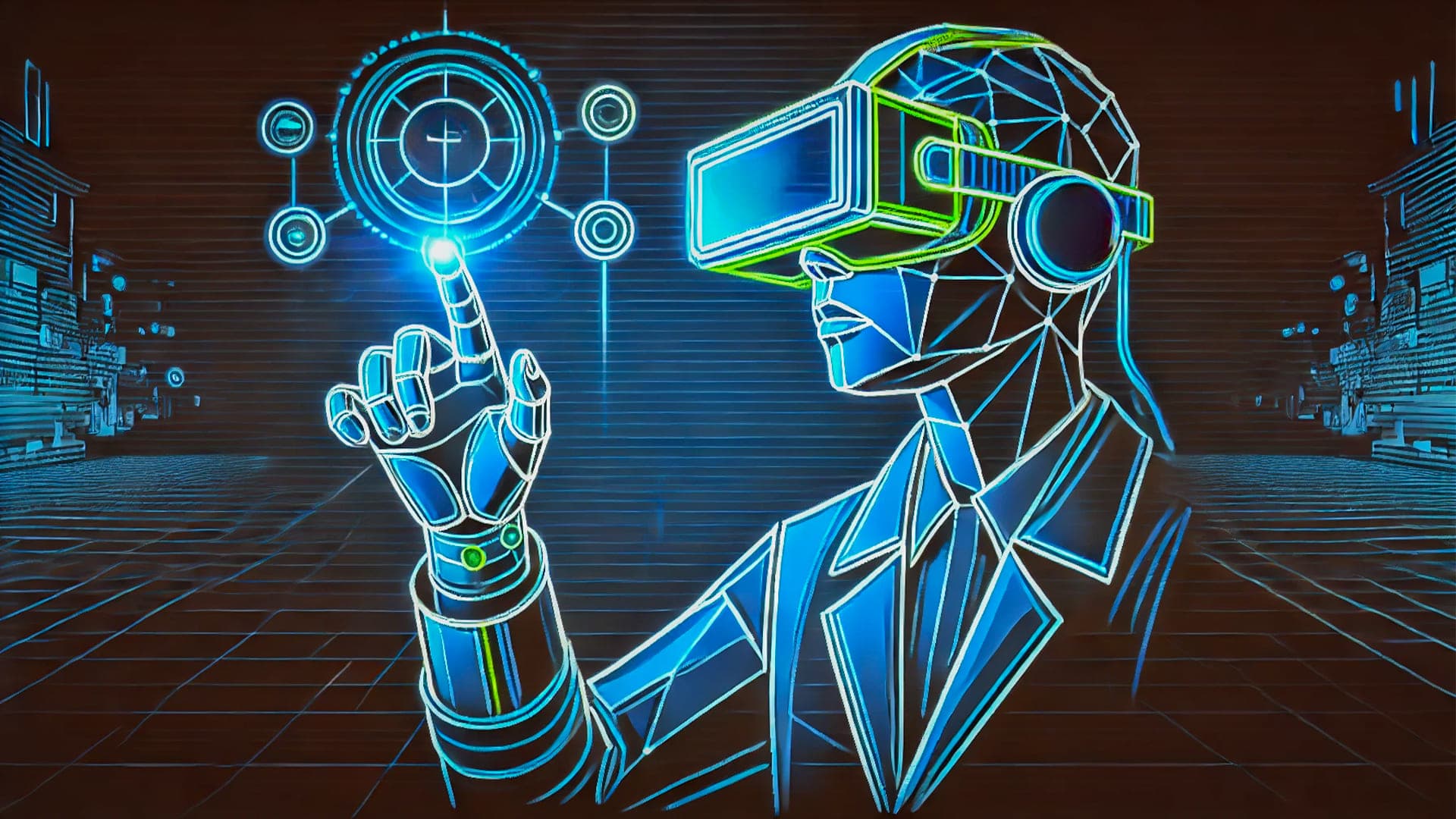
Virtual Reality (VR) stands as a beacon of technological advancement, enticing us with the promise of boundless digital landscapes. At its core, VR is a sophisticated simulation that immerses users in a computer-generated environment, blurring the lines between reality and imagination. It offers a portal to realms beyond our physical confines, where the virtual becomes almost as tangible as the real.
The journey of VR technology has been nothing short of extraordinary. From rudimentary simulators in the mid-20th century to the high-fidelity headsets and immersive experiences of today, VR has evolved dramatically. Early concepts like the Sensorama and the Virtual Reality Head-Mounted Display paved the way for the sophisticated systems we now take for granted. As technology has advanced, so too has our ability to create increasingly realistic and engaging virtual experiences.
The Mechanics Behind Virtual Reality
How VR Systems Work
VR systems operate through a combination of sensory input and output devices. Headsets equipped with stereoscopic displays provide users with a 3D visual experience. These headsets are often paired with motion sensors that track the user’s head movements, translating them into corresponding adjustments in the virtual environment. The integration of spatial audio further enhances immersion, making sounds appear as though they originate from specific locations within the virtual space.
Key Components of VR Hardware
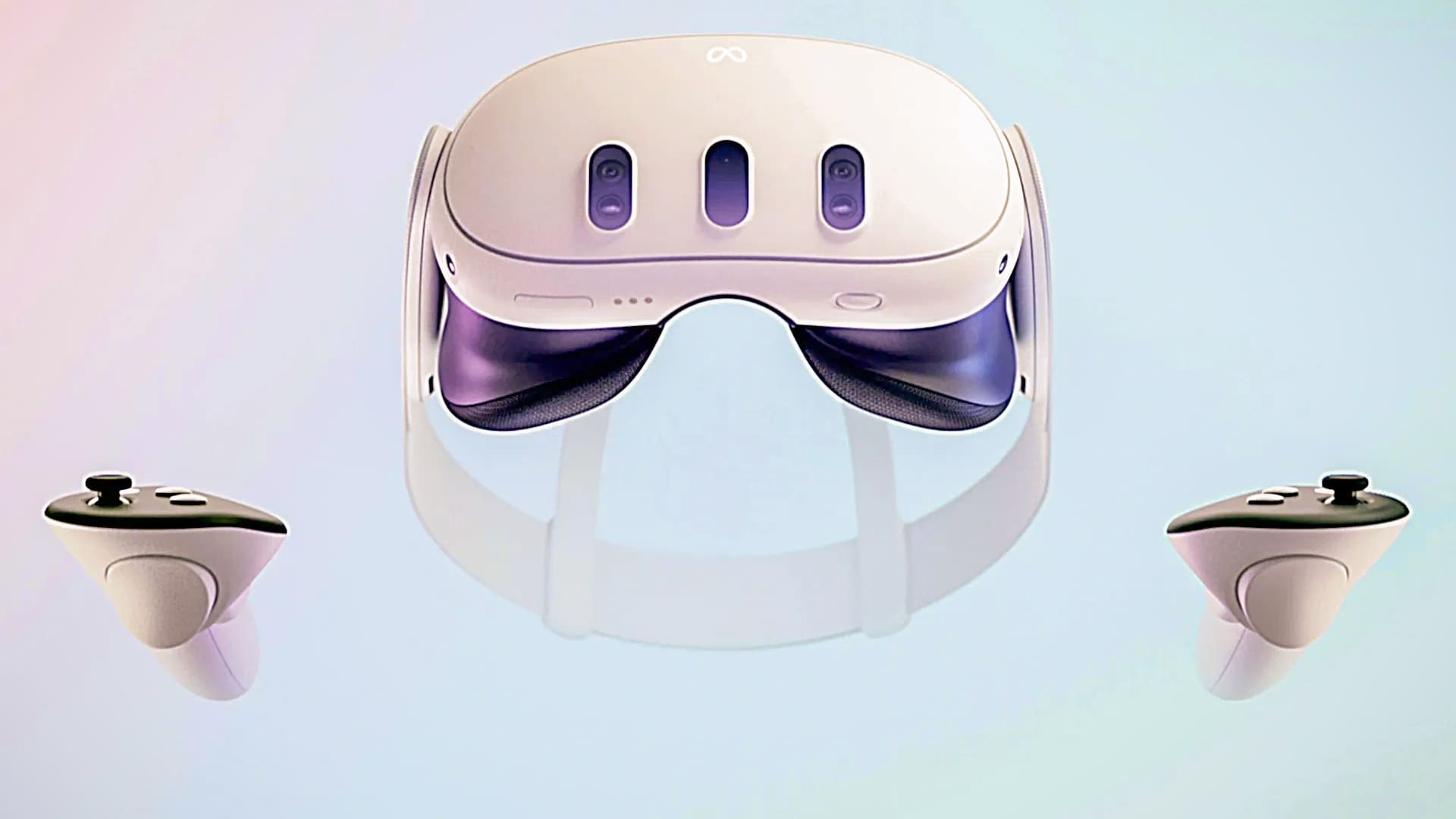
The primary components of VR hardware include the headset, controllers, and tracking systems. Modern VR headsets, such as those from Oculus, HTC, and Sony, are designed with high-resolution screens and wide fields of view to maximize immersion. Controllers with haptic feedback allow users to interact with the virtual world through gestures and actions, providing a tactile response that enhances realism. Tracking systems, which may utilize external sensors or built-in cameras, ensure accurate motion capture, enabling a seamless integration of the user's movements into the virtual experience.
https://www.youtube.com/watch?v=80IIEnSNwQc
Applications of Virtual Reality
Entertainment and Gaming
In entertainment, VR has revolutionized gaming by offering players a fully immersive experience. Games such as "Half-Life: Alyx" and "Beat Saber" showcase the potential of VR to transform gameplay, allowing players to physically engage with the game environment in unprecedented ways. The interactive nature of VR gaming creates a dynamic and immersive experience that traditional gaming mediums struggle to match.
https://www.youtube.com/watch?v=80IIEnSNwQc

Education and Training
In the realm of education and training, VR provides a powerful tool for experiential learning. Simulations can replicate complex scenarios, from surgical procedures to historical events, allowing users to practice and explore in a risk-free environment. Institutions and organizations leverage VR for training purposes, enhancing learning outcomes and providing practical experience that is often more effective than traditional methods.
Healthcare and Therapy
Healthcare applications of VR are particularly promising, offering new avenues for therapy and rehabilitation. VR is used to treat phobias, manage pain, and aid in physical rehabilitation. For example, exposure therapy for anxiety disorders involves gradual exposure to fear-inducing scenarios in a controlled virtual setting, helping patients confront and manage their fears more effectively.
The Impact of Virtual Reality on Society
Transforming Communication
Virtual Reality has the potential to transform communication by enabling more natural and immersive interactions. Virtual meetings and social platforms allow users to engage in real-time conversations within a shared virtual space, overcoming geographical barriers and creating a more personal connection than traditional video calls.
Enhancing Creative Expression
Artists and creators are exploring new forms of expression through VR, using it as a medium to craft immersive art installations, virtual performances, and interactive storytelling. The ability to create and manipulate 3D spaces offers artists innovative ways to engage their audiences and push the boundaries of creative expression.
Redefining Work and Collaboration
The workplace is also experiencing a shift due to VR. Remote collaboration tools enable teams to work together in virtual environments, facilitating meetings, brainstorming sessions, and project management in ways that traditional tools cannot match. VR workspaces offer a novel approach to remote work, enhancing productivity and fostering a sense of presence among team members.
The Future of Virtual Reality
Emerging Trends and Innovations
Emerging trends in VR include advancements in hardware, such as more lightweight and comfortable headsets, and software innovations that improve realism and interactivity. Developments in haptic feedback technology and eye-tracking systems promise to enhance the sensory experience, making virtual interactions more intuitive and lifelike.
The Potential for VR in Everyday Life
The potential for VR to become a ubiquitous part of daily life is considerable. From virtual tourism that allows users to explore distant destinations from their living rooms to augmented reality applications that overlay digital information onto the physical world, VR is poised to integrate seamlessly into various aspects of everyday activities.
https://www.youtube.com/watch?v=80IIEnSNwQc
Challenges and Ethical Considerations
Despite its promise, VR faces challenges and ethical considerations. Issues such as data privacy, the potential for addiction, and the impact on social interactions must be addressed as VR technology continues to evolve. Ensuring that VR experiences are accessible and inclusive is also crucial as the technology becomes more widespread.
In summary, Virtual Reality represents a gateway to immersive worlds, offering a glimpse into the future of technology and human experience. As VR continues to advance, its impact on society will only grow, reshaping how we interact with the world and each other.
Author: Gerald Ferreira
The Virtual Reality Innovation Hub is South Africa's leading intelligence platform for immersive technology, educational innovation, and local developer training programs.