

Virtual Reality: Transforming Higher Education through Immersive Technology
Author
Gerald Ferreira
Date Published
Reimagining Educational Spaces with Virtual Reality
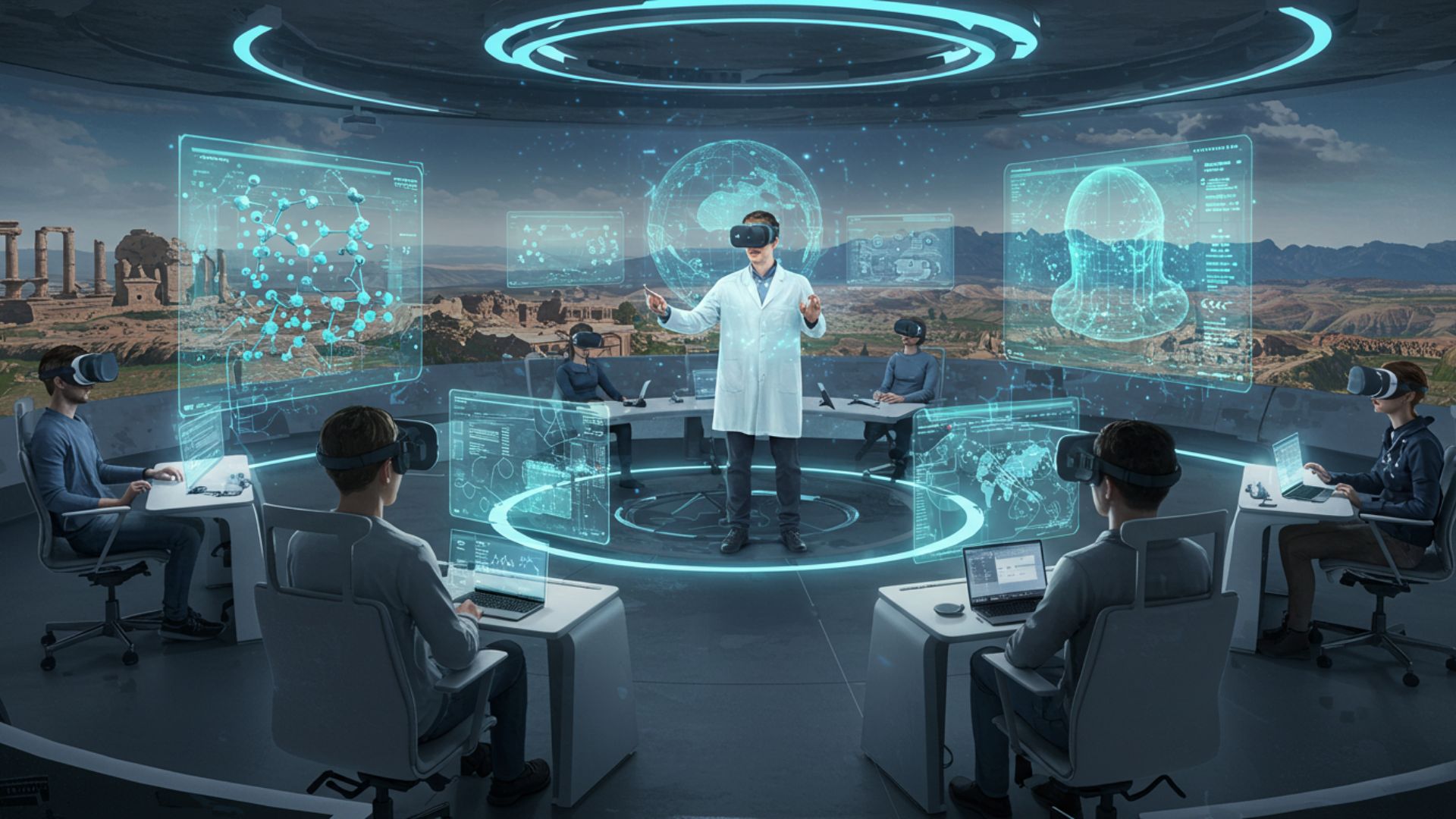
Envision a university where traditional classrooms dissolve, and learning transcends conventional boundaries through immersive technology. Welcome to the concept of Virtual Reality University, a revolutionary approach to higher education that harnesses the power of Virtual Reality (VR) to create dynamic, interactive, and personalized learning experiences. As VR technology advances, its integration into university education is poised to redefine how knowledge is delivered and absorbed, fostering a more engaging and effective academic environment. This exploration delves into the various ways VR is transforming higher education, highlighting its benefits, applications, and the promising future it holds for students and educators alike.
Immersive Learning Environments
Virtual Classrooms and Lecture Halls
Imagine entering a virtual classroom where the setting adapts to the subject being taught—transforming into a historical battlefield during a history lecture or a sophisticated laboratory during a chemistry class. Virtual classrooms and lecture halls are at the forefront of VR integration in universities, offering immersive environments that enhance the traditional educational experience. These virtual spaces enable students to attend lectures from anywhere in the world, removing geographical barriers and providing access to a wealth of educational resources.
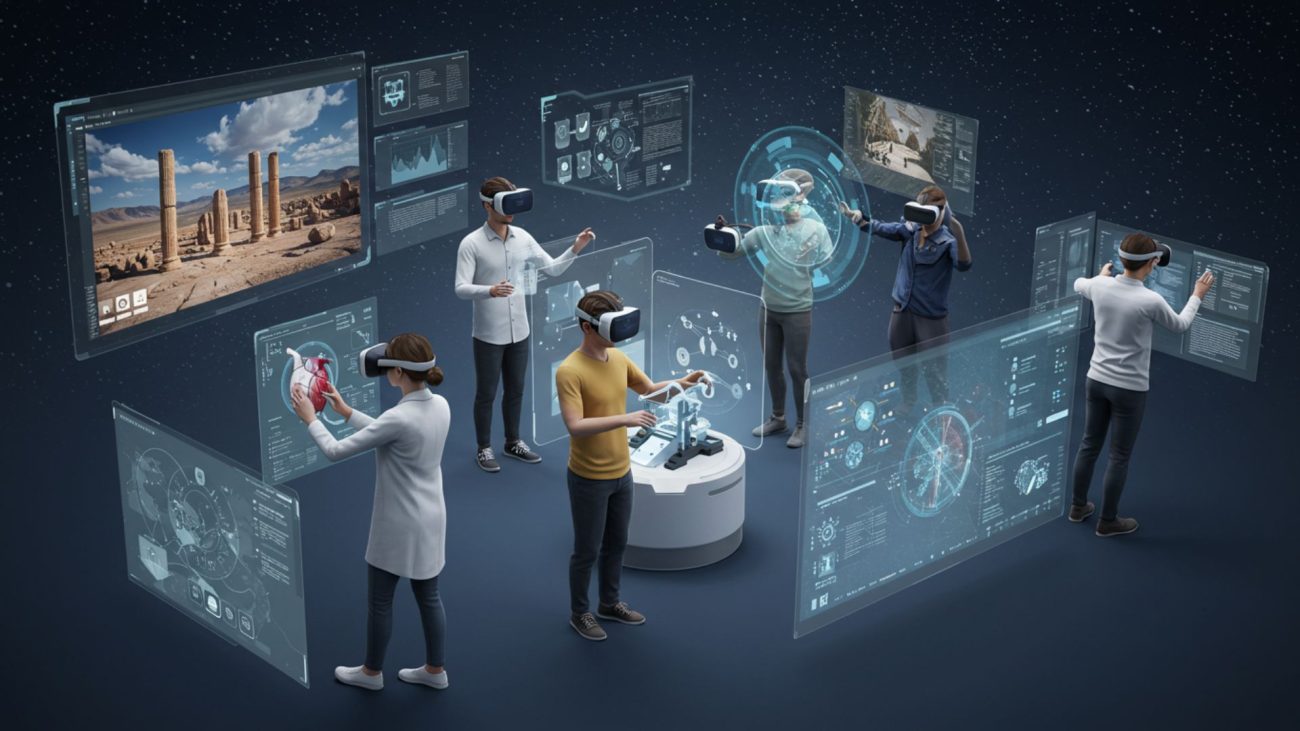
Equipped with interactive tools such as virtual whiteboards, breakout rooms, and real-time polling, VR-enabled classrooms foster an engaging and participatory learning atmosphere. Additionally, these environments can simulate real-world scenarios, allowing students to practice skills in a controlled and immersive setting. For instance, medical students can perform virtual surgeries, and engineering students can interact with complex machinery, bridging the gap between theoretical knowledge and practical application.
Virtual Laboratories and Research Facilities
Traditional laboratory setups often require substantial resources and physical space, limiting access for many students. Virtual laboratories address these limitations by providing fully interactive and resource-rich environments where students can conduct experiments, analyze data, and engage in research without the constraints of a physical lab. These virtual research facilities are particularly advantageous for fields that demand high precision and safety, such as chemistry, biology, and engineering.
In a virtual lab, students can manipulate variables, observe outcomes in real-time, and repeat experiments as necessary to achieve desired results. This iterative process enhances understanding and retention, allowing learners to explore concepts at their own pace. Furthermore, virtual labs can simulate rare or hazardous conditions that would be impractical or dangerous to replicate in a traditional setting, offering invaluable hands-on experience without associated risks.
Interactive Simulations and Practical Applications
Interactive simulations powered by VR provide students with the opportunity to apply their knowledge in realistic and complex scenarios. These simulations are designed to mirror real-world challenges, requiring students to utilize critical thinking, problem-solving, and decision-making skills. For example, business students can engage in virtual market simulations to understand economic principles, while environmental science students can participate in simulations that model ecosystem dynamics and climate change impacts.
These practical applications not only reinforce theoretical learning but also prepare students for real-life situations they may encounter in their professional careers. By immersing themselves in these simulated environments, students gain a deeper understanding of the subject matter and develop the competencies needed to navigate and address real-world challenges effectively.
Personalized and Adaptive Learning
AI-Driven Personalized Learning Paths
Virtual Reality University leverages Artificial Intelligence (AI) to create personalized learning paths tailored to each student's unique strengths, weaknesses, and learning preferences. AI algorithms analyze data on student performance, engagement levels, and interaction patterns to adjust the curriculum in real-time, ensuring that each learner receives the most effective and relevant educational experience.
For instance, a student struggling with a particular mathematical concept can be provided with additional VR-based tutorials and interactive exercises that target their specific areas of difficulty. Conversely, a student who excels in a subject can be challenged with advanced materials and complex problem-solving tasks. This level of personalization enhances student outcomes by addressing individual needs and promoting a more efficient and effective learning process.
Adaptive Assessments and Feedback
Traditional assessment methods often fail to capture the full spectrum of a student's understanding and capabilities. VR-based adaptive assessments offer a more comprehensive evaluation by dynamically adjusting the difficulty and nature of questions based on the student's responses. These assessments provide immediate, detailed feedback, allowing students to identify areas for improvement and track their progress over time.
In a Virtual Reality University setting, assessments can be seamlessly integrated into the learning experience. For example, a virtual chemistry lab can include assessments that evaluate a student's ability to conduct experiments accurately and safely. Immediate feedback is provided through the VR interface, highlighting mistakes and offering corrective guidance, thereby fostering a more effective and supportive learning environment.
Enhanced Engagement through Gamification
Gamification elements within VR environments significantly boost student engagement and motivation. By incorporating game-like features such as rewards, challenges, and leaderboards, Virtual Reality University transforms the learning process into an enjoyable and competitive experience. These elements encourage students to actively participate, complete tasks, and strive for excellence, enhancing overall academic performance.
For instance, a history course might include a VR-based quest where students earn points for correctly identifying historical artifacts or successfully navigating through significant historical events. These interactive and gamified experiences make learning more appealing and memorable, fostering a positive attitude towards education and encouraging lifelong learning habits.
Collaborative Learning and Global Connectivity
Virtual Study Groups and Team Projects
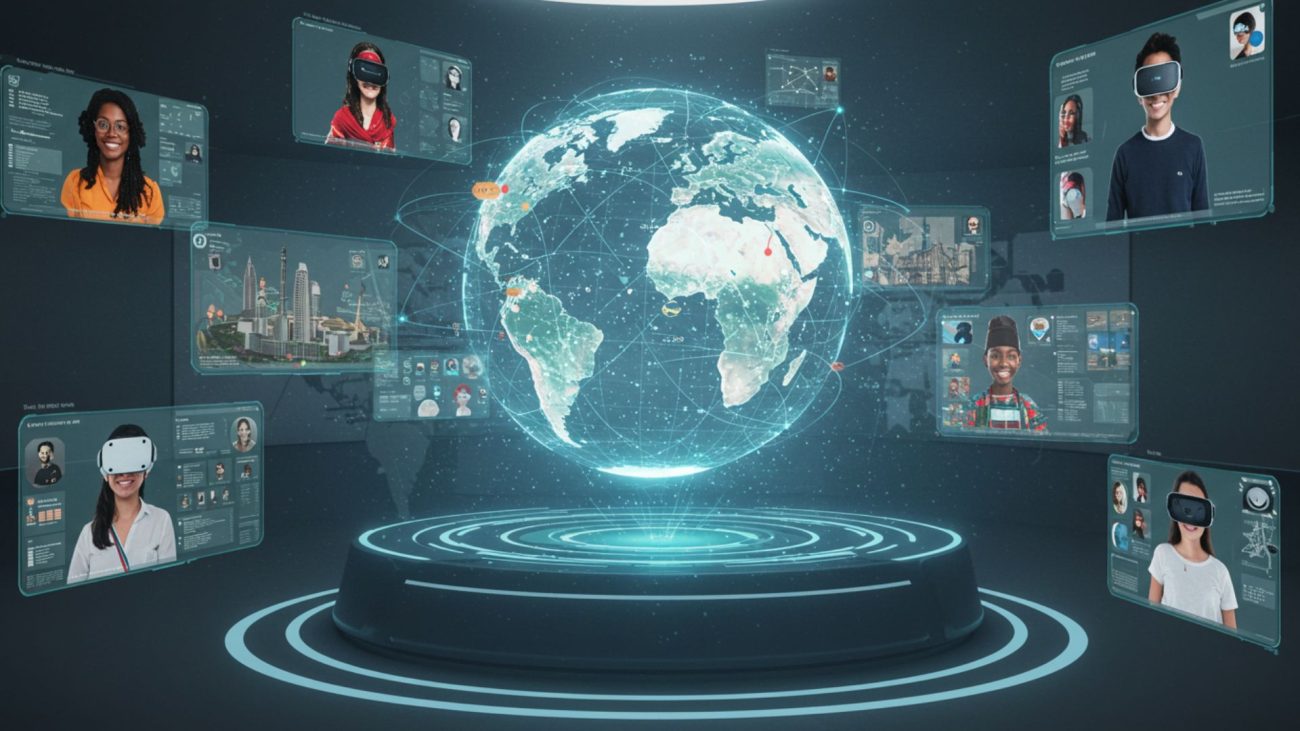
Collaboration is a cornerstone of effective education, and Virtual Reality University facilitates this through virtual study groups and team projects. Students from diverse geographical locations can come together in a shared virtual space, working collaboratively on assignments, conducting research, and participating in discussions. This global connectivity enhances the diversity of perspectives and ideas, enriching the learning experience.
Virtual study groups benefit from real-time communication tools, interactive whiteboards, and shared virtual workspaces that enable seamless collaboration. Students can brainstorm, share resources, and provide peer feedback in an environment that mimics physical interactions, fostering a sense of community and teamwork. These collaborative opportunities prepare students for the increasingly globalized and interconnected professional landscape, where teamwork and cross-cultural communication are essential skills.
Global Access to Expertise and Resources
Virtual Reality University democratizes access to educational expertise and resources, breaking down traditional barriers associated with location and availability. Students can attend lectures and seminars delivered by leading experts from around the world, gaining insights and knowledge that would otherwise be inaccessible. This global access enriches the academic experience, exposing students to a broader range of perspectives and cutting-edge research.
Additionally, virtual libraries and resource centers provide extensive digital archives, research papers, and interactive learning materials that students can access anytime, anywhere. This unrestricted access ensures that all students, regardless of their physical location, have equal opportunities to pursue their academic goals and engage with high-quality educational content.
Cross-Disciplinary Collaboration and Innovation
The immersive and interactive nature of VR fosters cross-disciplinary collaboration and innovation, encouraging students from different fields to work together on complex projects. Virtual Reality University environments are designed to support diverse academic disciplines, enabling students to integrate knowledge and skills from various areas to solve multifaceted problems.
For example, an engineering student can collaborate with a business student to develop a sustainable product, while a computer science student works with a healthcare student to create a VR-based therapy tool. This interdisciplinary approach promotes creativity, innovation, and a holistic understanding of complex issues, preparing students to tackle real-world challenges with a well-rounded skill set.
Accessibility and Inclusivity in Education
Breaking Down Physical Barriers
One of the most significant advantages of Virtual Reality University is its ability to break down physical barriers to education. Students who may be unable to attend traditional universities due to geographical constraints, physical disabilities, or other limitations can access high-quality education through immersive VR environments. This inclusivity ensures that education is accessible to a broader and more diverse population, promoting equal opportunities for all learners.
VR technologies can be tailored to accommodate various accessibility needs, such as adjustable virtual interfaces, voice commands, and customizable learning environments. These features ensure that students with different abilities can engage with the material and participate fully in the educational experience, fostering a more inclusive and supportive academic community.
Language and Cultural Adaptation
Virtual Reality University also enhances accessibility through language and cultural adaptation. VR environments can support real-time translation and localization, allowing students from different linguistic backgrounds to learn in their preferred language. This feature not only makes education more accessible but also promotes cultural diversity and understanding within the academic community.
Moreover, VR-based cultural simulations and immersive experiences can provide students with a deeper appreciation of different cultures and global perspectives. These educational tools foster empathy, cultural competence, and global awareness, preparing students to thrive in an increasingly interconnected world.
Affordable and Flexible Learning Options
Traditional higher education often comes with significant financial and time commitments, which can be prohibitive for many students. Virtual Reality University offers more affordable and flexible learning options, reducing the overall cost of education and allowing students to learn at their own pace. Virtual programs can eliminate expenses related to commuting, housing, and physical materials, making education more financially accessible.
Flexible learning schedules enable students to balance their studies with work, family, and other commitments, enhancing their ability to pursue higher education without compromising other aspects of their lives. This flexibility broadens the reach of higher education, empowering more individuals to achieve their academic and professional aspirations.
Challenges and Considerations in Implementing VR in Universities
Technological Infrastructure and Investment
Integrating VR into university education requires substantial investment in technological infrastructure, including high-performance hardware, reliable internet connectivity, and specialized software platforms. Universities must allocate resources to acquire and maintain VR equipment, train faculty and staff, and develop comprehensive VR-based curricula.
Additionally, ensuring that all students have access to the necessary technology, whether through university-provided equipment or affordable options, is crucial for the successful implementation of Virtual Reality University programs. Addressing these logistical and financial challenges is essential to create a sustainable and effective VR-enabled educational environment.
Content Development and Pedagogical Integration
Developing high-quality VR content that aligns with academic objectives and enhances learning outcomes is another significant challenge. Universities must collaborate with educators, developers, and subject matter experts to create immersive and interactive educational materials that effectively integrate VR into the curriculum.
Pedagogical strategies must also evolve to leverage the strengths of VR, promoting active learning, critical thinking, and problem-solving skills. Faculty members may require training and support to effectively incorporate VR into their teaching methodologies, ensuring that the technology enhances rather than disrupts the learning process.
Privacy, Security, and Ethical Considerations
The use of VR in education raises important privacy, security, and ethical considerations. Protecting student data, ensuring secure access to virtual environments, and addressing potential ethical issues related to immersive technologies are paramount. Universities must implement robust data protection measures, establish clear guidelines for VR usage, and foster an ethical framework that governs the use of immersive technologies in education.
Moreover, addressing concerns related to digital equity, screen time, and the potential psychological effects of prolonged VR use is essential to create a safe and supportive learning environment. Universities must navigate these challenges thoughtfully, balancing technological innovation with the well-being and rights of their students.
Future Prospects of Virtual Reality University
Expanding Academic Disciplines and Programs
As Virtual Reality technology continues to advance, the scope of academic disciplines and programs that can be effectively supported by VR will expand. Fields such as medicine, engineering, architecture, and the arts stand to benefit significantly from immersive VR applications, enabling more sophisticated and interactive learning experiences.
Emerging disciplines that integrate VR with other technologies, such as Artificial Intelligence, Robotics, and Biotechnology, will also gain traction, fostering interdisciplinary research and innovation. The continuous evolution of VR technology will open new avenues for academic exploration and specialization, enriching the educational landscape and preparing students for future challenges and opportunities.
Global Collaboration and Shared Virtual Campuses
Virtual Reality University has the potential to facilitate unprecedented levels of global collaboration and the creation of shared virtual campuses. Students and faculty from different parts of the world can come together in a unified virtual space, participating in joint research projects, collaborative learning activities, and international academic programs.
Shared virtual campuses can host international conferences, workshops, and cultural exchange programs, promoting cross-cultural understanding and collaboration. This global interconnectedness enhances the academic experience, providing students with a broader perspective and the opportunity to engage with diverse ideas and innovations.
Continuous Innovation and Technological Advancements
The future of Virtual Reality University is intrinsically linked to the continuous innovation and advancement of VR technology. Breakthroughs in areas such as augmented reality (AR), mixed reality (MR), haptic feedback, and brain-computer interfaces will further enhance the immersive and interactive capabilities of VR, expanding its applications in higher education.
These technological advancements will enable more realistic simulations, seamless integration with other digital tools, and more intuitive and responsive virtual environments. As VR technology evolves, so too will the possibilities for enhancing and transforming higher education, driving the future of academic excellence and innovation.
Frequently Asked Questions
What is a Virtual Reality University?
A Virtual Reality University is an educational institution or program that integrates Virtual Reality (VR) technology into its curriculum and learning environments. It leverages immersive VR experiences to enhance teaching methodologies, facilitate interactive learning, and provide students with access to advanced educational resources and virtual environments.
How does VR enhance the learning experience in universities?
VR enhances the learning experience by creating immersive and interactive environments that make complex concepts more understandable and engaging. It allows for realistic simulations, personalized learning paths, and hands-on practice in a safe and controlled virtual setting. Additionally, VR facilitates global collaboration, breaks down geographical barriers, and provides access to a diverse range of educational resources and experts.
What are the benefits of attending a Virtual Reality University?
Benefits of attending a Virtual Reality University include access to personalized and adaptive learning experiences, the ability to engage in realistic simulations and practical applications, enhanced collaboration and networking opportunities, and the flexibility to learn from anywhere in the world. VR also promotes higher engagement and retention rates, preparing students with the skills and knowledge needed for future careers.
Are there any challenges associated with Virtual Reality University?
Yes, challenges associated with Virtual Reality University include the high cost of technological infrastructure, the need for extensive content development and pedagogical integration, privacy and security concerns, and ensuring equitable access to VR technology for all students. Additionally, there may be resistance to adopting new teaching methods and the need for continuous training and support for faculty and staff.
What is the future outlook for Virtual Reality in higher education?
The future outlook for Virtual Reality in higher education is highly promising, with continuous advancements in VR technology driving further integration into academic programs. VR is expected to become a standard tool for immersive learning, facilitating interdisciplinary collaboration, expanding access to global educational resources, and enhancing the overall quality and effectiveness of higher education. As technology evolves, VR will play an increasingly vital role in shaping the future of academia and professional development.