
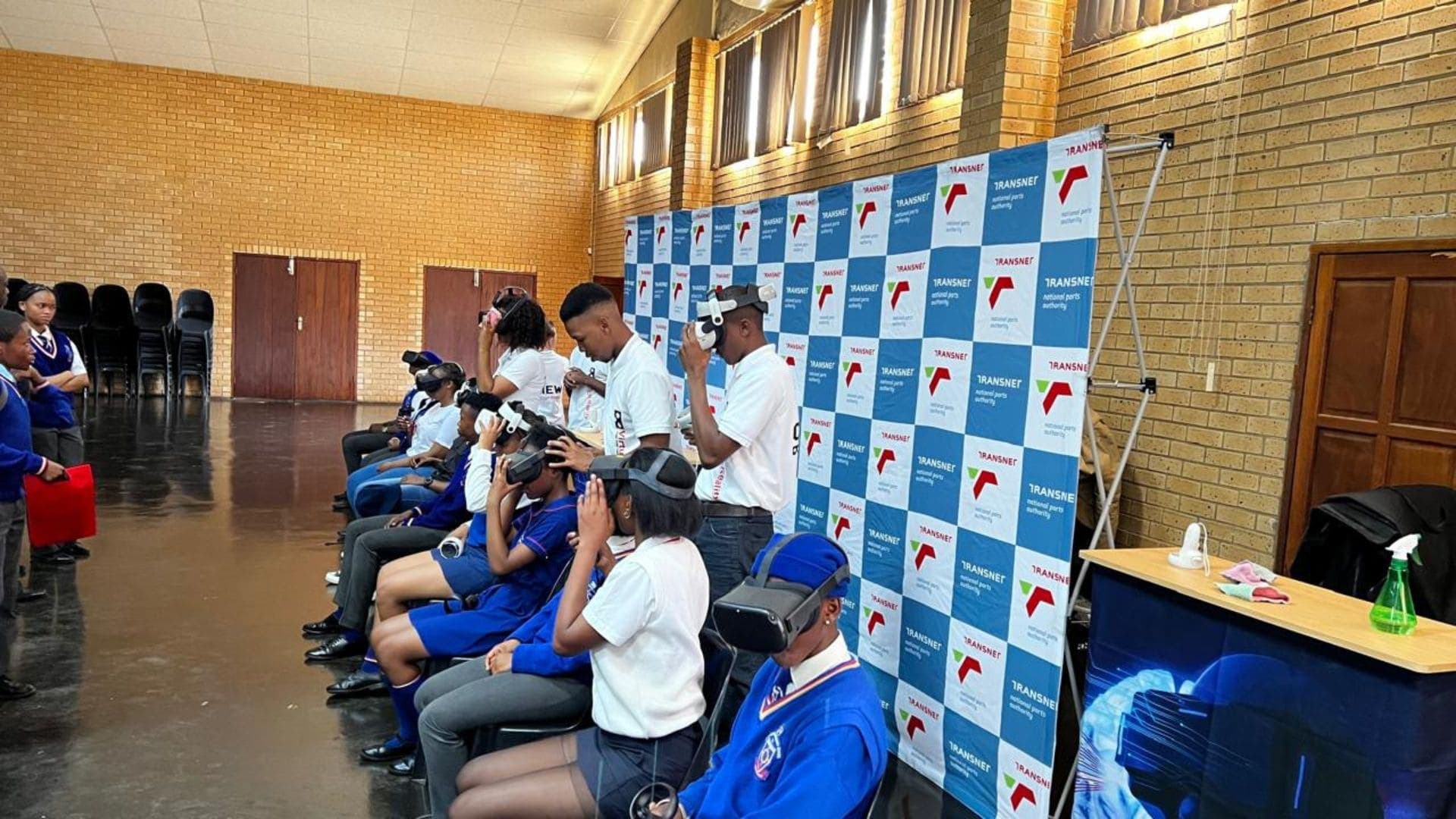
Transnet & VirtualReality.ngo: Navigating the Future of Education with VR
Transforming Student Engagement through Virtual Tours of South Africa’s Major Ports The collaboration between Transnet and VirtualReality. ngo is...
Transforming Student Engagement through Virtual Tours of South Africa’s Major Ports
The collaboration between Transnet and VirtualReality.ngo is anchored in the aspiration to elevate educational outcomes through the innovative use of Virtual Reality (VR) technology. By immersing students in lifelike simulations of South Africa’s bustling ports, this initiative seeks to transcend conventional pedagogical methods. The immersive nature of VR fosters a deeper cognitive engagement, enhancing both comprehension and retention of complex maritime logistics concepts. This transformative approach ensures that students not only absorb information more effectively but also develop a lasting appreciation for the intricacies of global trade.
Maritime logistics, a cornerstone of international commerce, often remains an abstract concept within traditional educational frameworks. This collaboration endeavors to demystify the strategic significance of South Africa’s major ports by providing students with firsthand virtual experiences. By showcasing the operational dynamics and economic impact of ports like Durban and Ngqura, the initiative offers invaluable insights into the critical role these infrastructures play in facilitating global trade and sustaining the nation’s economic vitality.
Blending Education and Technology
The integration of VR into educational curricula represents a paradigm shift in teaching methodologies. This collaboration exemplifies how cutting-edge technology can be seamlessly woven into traditional learning environments, creating a hybrid educational model that is both progressive and effective. By incorporating VR, educators can present complex subjects in a more engaging and interactive manner, thereby enhancing the overall learning experience and catering to the diverse needs of modern students.
In an era where digital literacy is paramount, adapting to the learning preferences of digital-native students is essential. VR technology aligns perfectly with the interactive and visually-driven learning styles prevalent among today’s youth. By providing a platform that resonates with their inherent technological affinity, this initiative ensures that educational content is both relevant and accessible, thereby fostering a more inclusive and effective learning environment.
Preparing for the VR Activation
Equipping the Classroom with VR Headsets
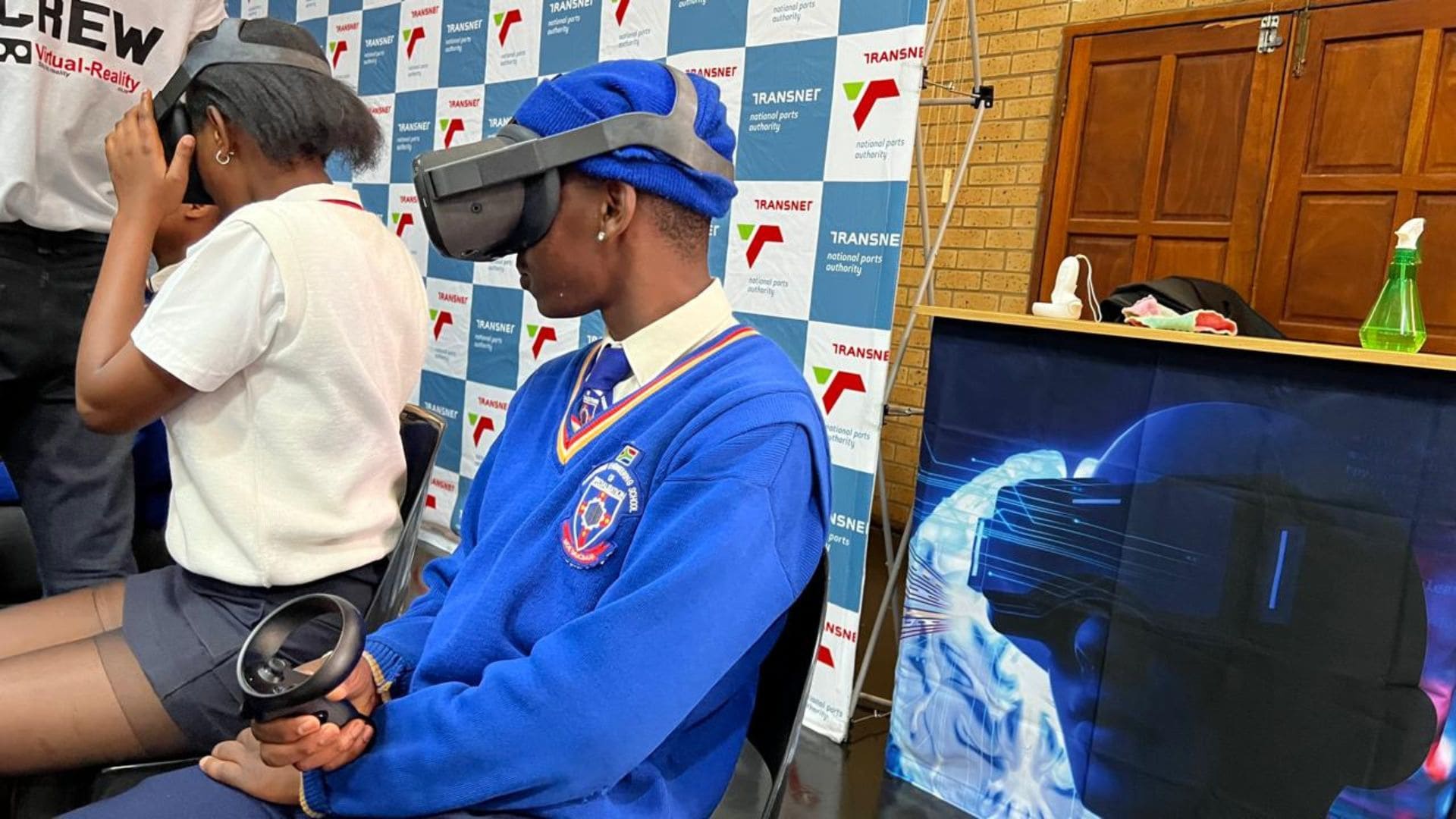
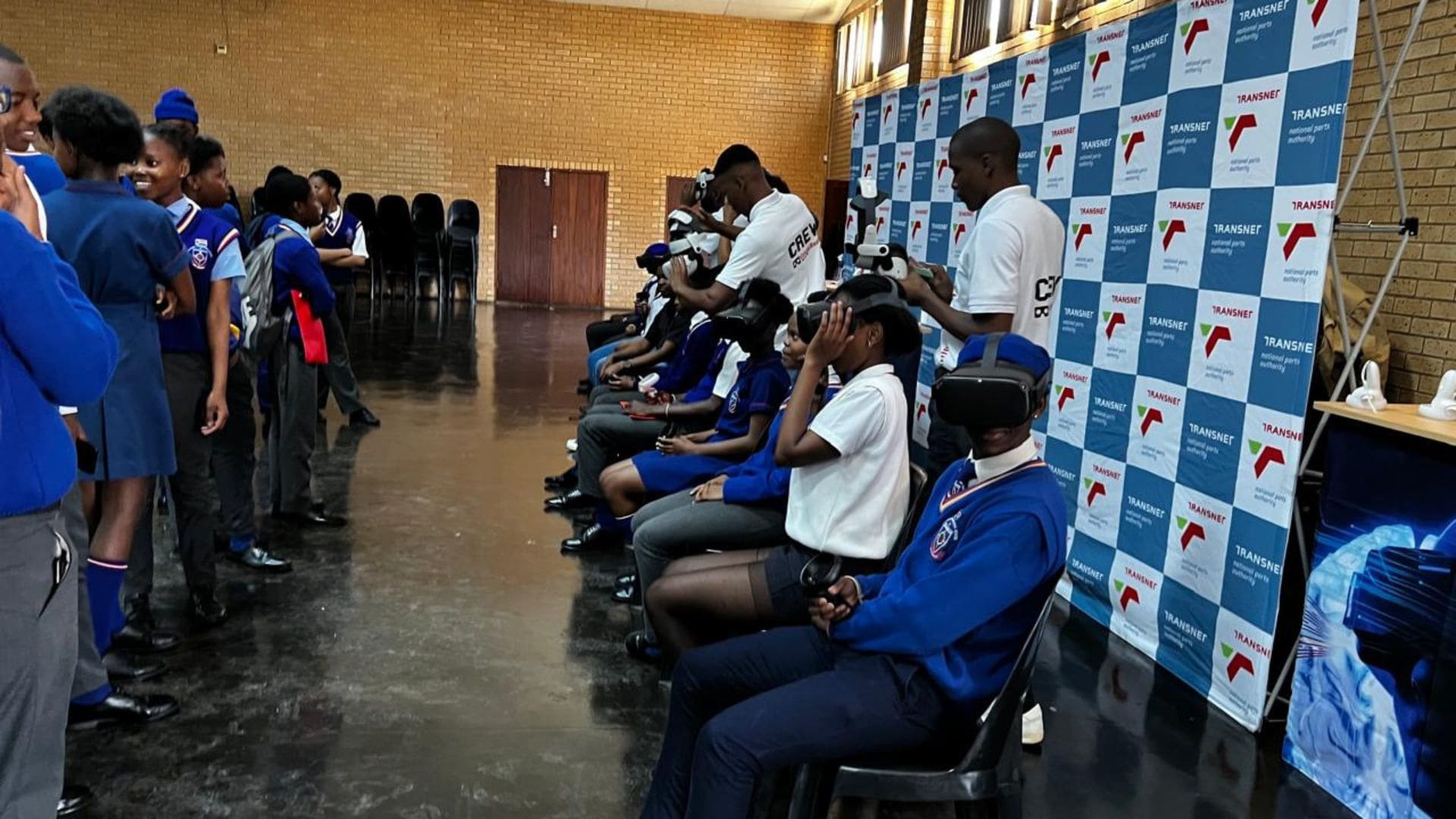
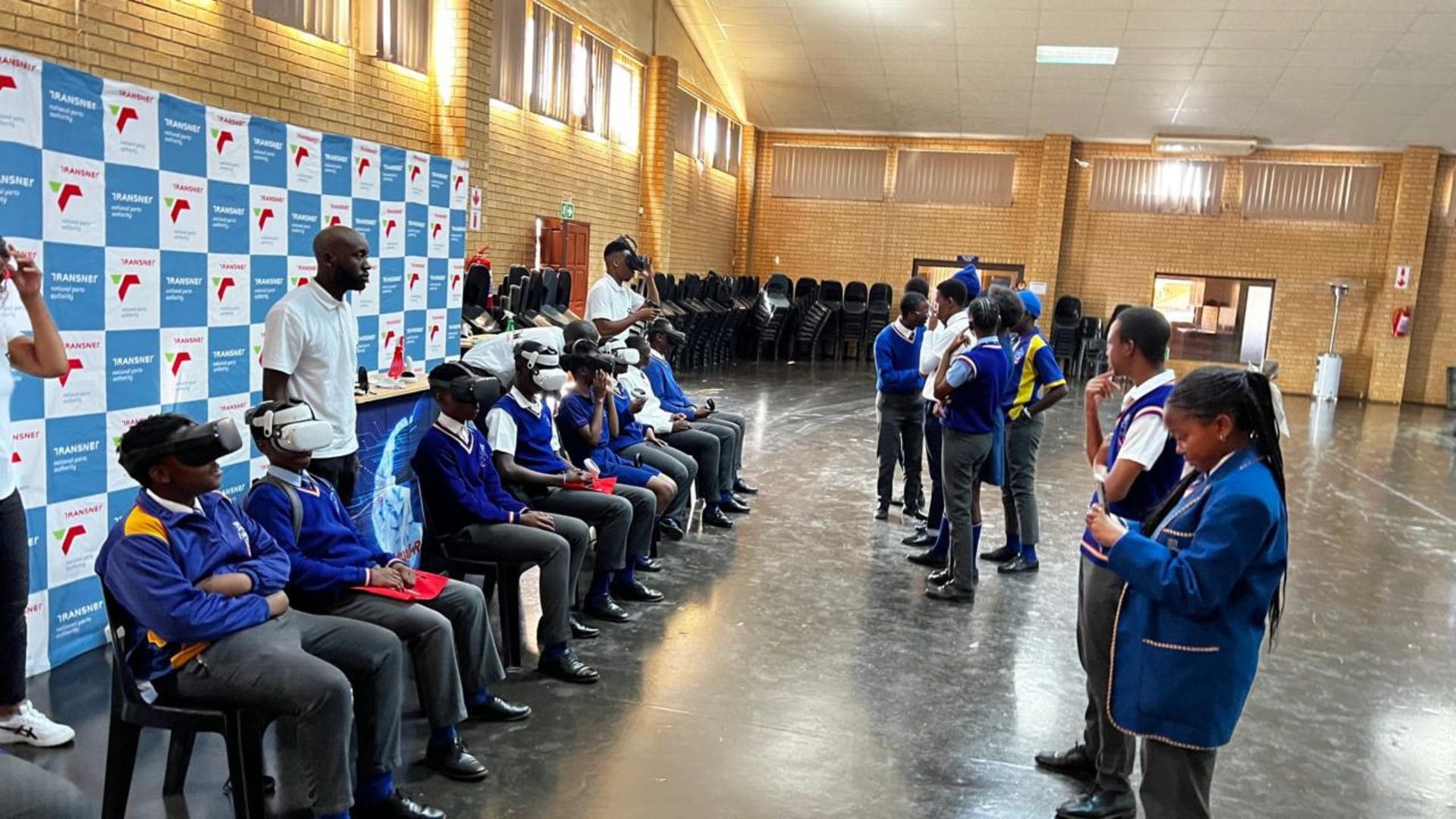
Preparation for the VR activation involved meticulous planning and technological setup to ensure a seamless experience. The classroom was outfitted with ten Oculus Quest VR headsets, renowned for their high-resolution displays and user-friendly interfaces. Each headset was configured with a curated library of eight 360-degree videos, meticulously designed to offer immersive virtual tours of South Africa’s major ports. The setup process included calibrating the devices to accommodate various user profiles and ensuring optimal performance to facilitate uninterrupted engagement.
Accessibility was a paramount consideration in the preparation phase. Efforts were made to ensure that the VR activation was inclusive, catering to students with diverse needs and varying levels of technological proficiency. Adjustable headsets and user-friendly controls were implemented to accommodate different physical and cognitive requirements. Additionally, preparatory sessions were conducted to familiarize students with the VR equipment, ensuring that all participants could engage fully and comfortably with the immersive content.
Curating 360-Degree Virtual Tours
The selection of content was a strategic process aimed at providing a comprehensive overview of South Africa’s maritime infrastructure. Eight major ports were chosen for their distinct operational characteristics and economic significance: Durban, Cape Town, Port Elizabeth (Gqeberha), Richards Bay, Saldanha Bay, Mossel Bay, East London, and Ngqura. Each port was selected to highlight different aspects of maritime logistics, from bulk cargo handling and automotive shipping to energy sector operations and transshipment facilities.
Creating the 360-degree videos required a blend of technical expertise and creative vision. Each video was meticulously produced to capture the essence of the respective port, emphasizing both the grand scale of operations and the nuanced logistical processes that sustain them. Advanced filming techniques ensured high-definition visuals and seamless transitions, while informative overlays provided contextual insights. The resulting videos offer an engaging and educational narrative, allowing students to virtually traverse the ports and gain an in-depth understanding of their functionalities and contributions to the economy.
Exploring South Africa’s Maritime World with VR
Virtual Tours of Key Ports
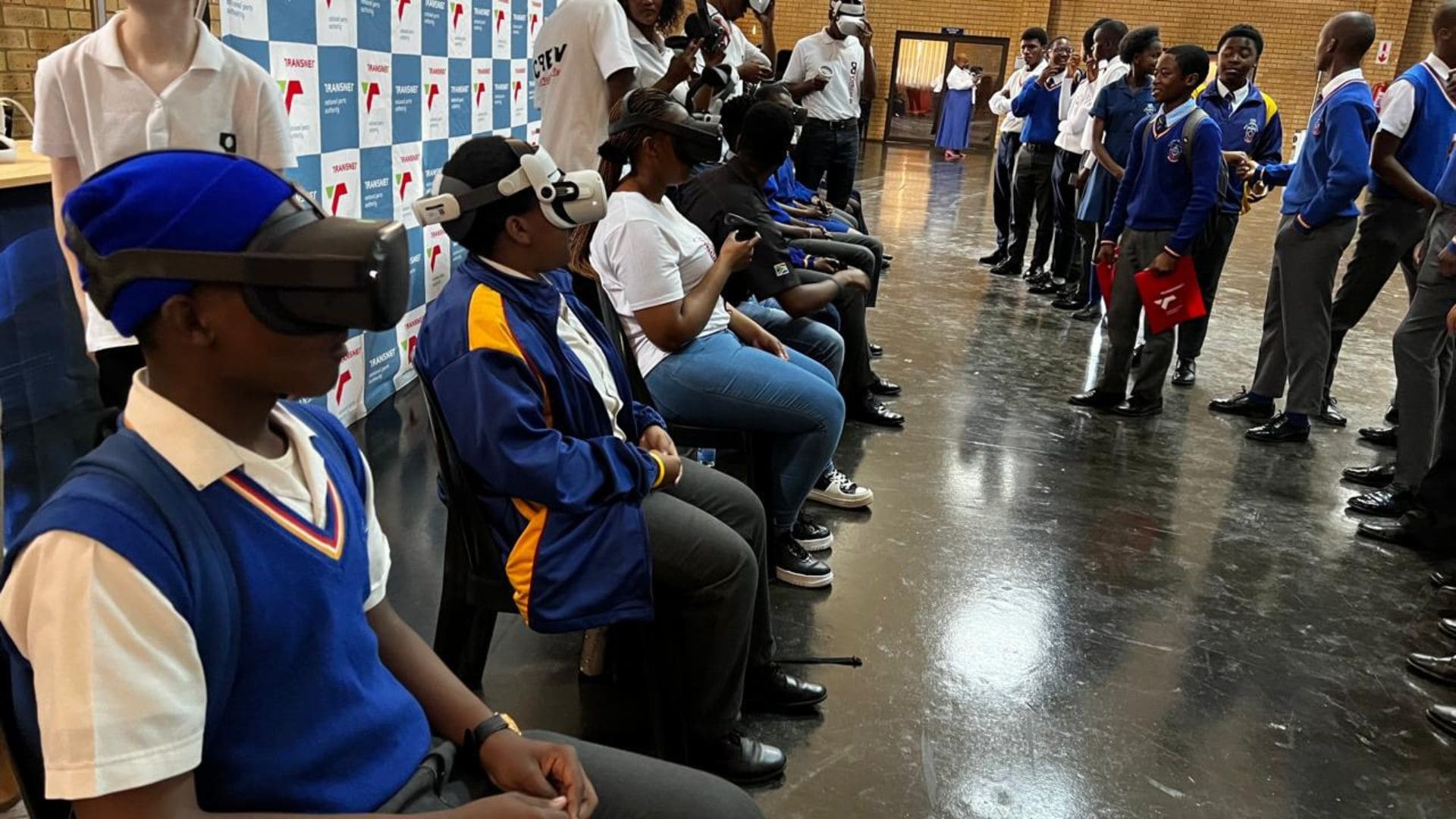
The virtual tours encompass a spectrum of South Africa’s maritime hubs, each with its unique attributes. Durban, Africa’s busiest port, is portrayed in all its dynamic splendor, showcasing its extensive container handling capabilities and sophisticated logistics infrastructure. Cape Town offers a picturesque blend of tourism and trade, set against the backdrop of the iconic Table Mountain. Port Elizabeth (Gqeberha) provides a glimpse into the complexities of automotive shipping, while Richards Bay emphasizes its role as a major bulk cargo port specializing in coal exports. Saldanha Bay highlights iron ore logistics, Mossel Bay delves into the energy sector with a focus on offshore drilling, East London specializes in river-based automotive shipping, and Ngqura showcases the future of transshipment with its state-of-the-art container handling systems.
The interactive nature of the virtual tours empowers students to navigate and explore the port environments autonomously. This hands-on approach fosters a sense of agency and curiosity, as students can choose their own paths and focus on areas of particular interest. By navigating through the ports, students gain a multifaceted perspective of the operations, enabling them to appreciate the complexity and scale of maritime logistics in a more profound and personalized manner.
Behind the Scenes of Port Operations
The virtual tours provide in-depth insights into the infrastructure and facilities that underpin port operations. Students can explore the intricate layouts of container terminals, bulk cargo handling areas, and specialized logistics hubs. Detailed visualizations highlight the architectural and engineering marvels that enable efficient cargo movement and storage, offering a tangible understanding of the physical spaces that facilitate global trade.
Beyond structural insights, the tours delve into the operational mechanics that ensure the smooth functioning of ports. Students witness the orchestration of cargo handling processes, the coordination of transportation networks, and the integration of advanced technologies such as automated cranes and real-time tracking systems. This comprehensive exploration elucidates the sophisticated logistical frameworks that sustain the high-volume operations of South Africa’s ports, underscoring their critical role in the global supply chain.
Student Engagement and Experiences
Immersive Learning in Action
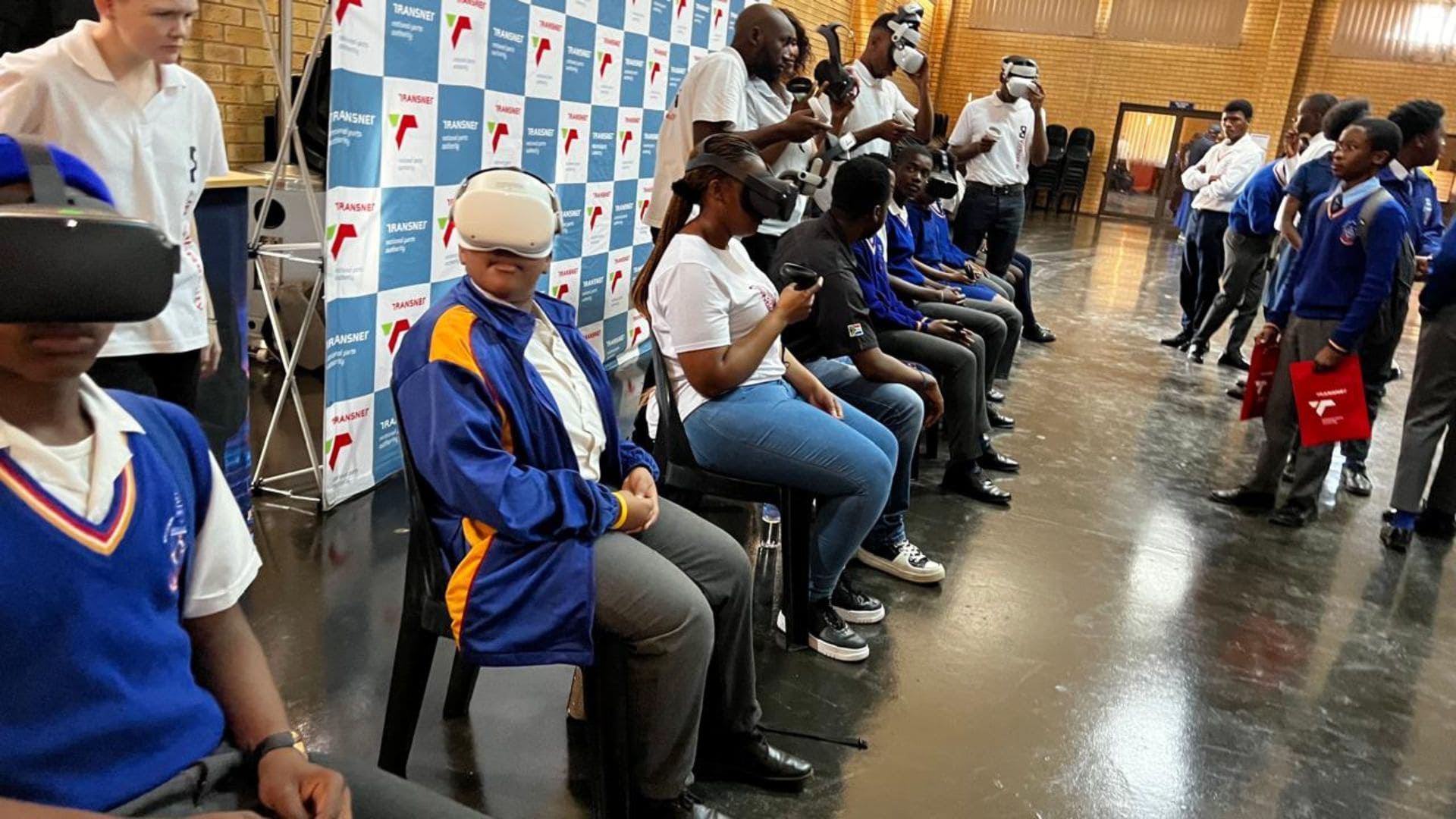
The VR activation transforms theoretical knowledge into immersive experiences, allowing students to virtually “visit” bustling ports and witness their dynamic environments firsthand. This experiential learning approach engages multiple senses, fostering a deeper connection to the subject matter. Students can observe the ebb and flow of maritime activities, gaining a visceral understanding of the operational rhythms that drive port efficiency and productivity.
The immersive nature of VR leverages both visual and auditory stimuli to create a realistic and engaging learning environment. High-definition visuals capture the intricate details of port operations, while spatial audio enhances the sense of presence, making the experience more lifelike. This multisensory engagement not only captivates students’ attention but also facilitates a more comprehensive and memorable learning experience.
Interactive Insights into Cargo Operations
A key aspect of the VR experience is the opportunity for students to observe the teamwork and coordination that underpin port operations. By witnessing port workers collaborating seamlessly to manage cargo handling, students gain insights into the importance of effective communication and collaborative problem-solving in maintaining operational efficiency. This exposure highlights the human element of logistics, emphasizing the value of teamwork in complex industrial environments.
The VR tours elucidate the multifaceted nature of logistics within port operations. Students can explore the intricate processes involved in cargo handling, from loading and unloading ships to organizing and transporting goods to their final destinations. This comprehensive view demystifies the complexities of logistics, enabling students to appreciate the meticulous planning and execution required to sustain the flow of goods through South Africa’s ports.
Inspiring Future Careers through VR
Igniting Curiosity and Real-World Applications
The VR activation serves as a bridge between classroom learning and real-world applications, inspiring students to envision potential career paths within the maritime industry. By providing a tangible glimpse into the daily operations of ports, the initiative helps students connect theoretical lessons to practical, real-world scenarios. This connection fosters a sense of relevance and ambition, encouraging students to consider careers in logistics, engineering, and international trade.
Exposure to the technological and engineering marvels of port operations stimulates students’ interest in STEM fields. The integration of advanced technologies such as automated cranes and real-time tracking systems within the VR experience underscores the importance of scientific and technological proficiency in modern logistics. This emphasis on STEM encourages students to pursue studies and careers that contribute to the innovation and efficiency of the maritime industry.
Fostering Innovators in Logistics and Engineering
The VR tours highlight diverse career opportunities within the maritime industry, showcasing roles that range from logistics coordinators and engineers to technology specialists and management professionals. By presenting these roles within an engaging and interactive context, the initiative provides students with tangible examples of career paths, fostering aspirations and motivating them to explore these fields further.
The immersive nature of VR promotes the development of critical thinking and problem-solving skills. As students navigate through virtual port environments, they encounter scenarios that require analytical thinking and strategic planning. This hands-on approach to learning cultivates a mindset geared towards innovation and resilience, equipping students with the skills necessary to tackle complex challenges within the maritime and logistics sectors.
A Landmark Event in Educational Innovation
Reflecting on Success: Student Engagement and Educational Impact
The VR activation garnered overwhelmingly positive feedback from both students and educators. Students expressed awe and excitement at the immersive experiences, often describing the virtual tours as "like being there." Teachers noted significant improvements in student engagement and comprehension, observing that complex topics became more accessible and interesting. This positive reception underscores the transformative potential of VR in enhancing educational experiences.
The educational impact of the VR activation is evident in the enhanced understanding and retention of maritime logistics concepts among students. Assessments indicated a marked improvement in students' ability to grasp and articulate the strategic importance of ports and their role in the global economy. This achievement highlights the efficacy of immersive technology in achieving educational objectives and fostering a deeper intellectual engagement with the material.
Looking Ahead: The Continued Evolution of VR in Education
Building on the success of this initial activation, plans for future VR projects are already underway. Upcoming initiatives aim to expand the scope of virtual tours to include additional ports and other critical infrastructure sectors. These projects will further enhance the educational landscape, providing students with an ever-growing array of immersive learning opportunities that span diverse subjects and environments.
The commitment to sustaining innovation in educational technologies remains unwavering. As VR technology continues to advance, so too will the strategies and content used to enhance learning experiences. By staying at the forefront of technological advancements, VirtualReality.ngo ensures that educational institutions have access to the most effective and engaging tools available, fostering a future where education is synonymous with innovation and immersive learning.
This landmark collaboration between Transnet and VirtualReality.ngo exemplifies the profound impact that immersive technology can have on education. By seamlessly integrating VR into the learning environment, the initiative not only enhanced student engagement and comprehension but also inspired a new generation of learners to explore and excel in the fields of logistics, engineering, and international trade. As VR continues to evolve, its role in shaping the future of education promises to be both transformative and enduring, paving the way for more innovative and impactful learning experiences.
Author: Gerald Ferreira
The Virtual Reality Innovation Hub is South Africa's leading intelligence platform for immersive technology, educational innovation, and local developer training programs.