
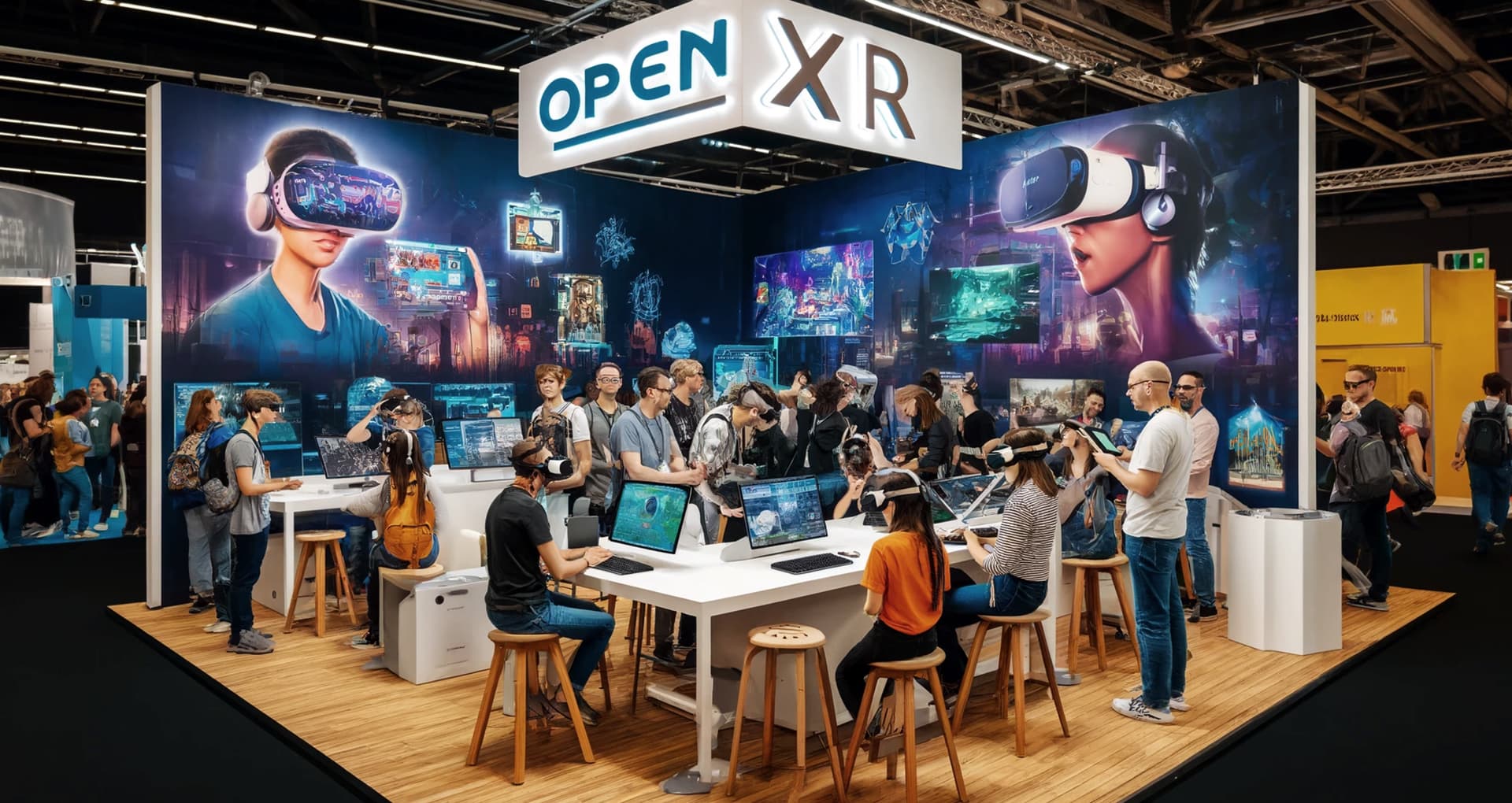
OpenXR: Empowering Developers in the Evolving Landscape of Virtual Reality
In the realm of virtual reality (VR), developers face a landscape that is as fragmented as it is innovative. With a myriad of devices on the...
In the realm of virtual reality (VR), developers face a landscape that is as fragmented as it is innovative. With a myriad of devices on the market, each with its unique setup and software requirements, VR developers often find themselves locked into creating multiple versions of the same application to cater to different hardware platforms. This not only stifles creativity but also inflates development costs and time. However, a groundbreaking standard known as OpenXR is poised to transform this scenario, offering a beacon of compatibility and flexibility in the fragmented VR space.
What is OpenXR?
Developed by the Khronos Group, OpenXR is an open, royalty-free standard designed to simplify the development of VR and augmented reality (AR) applications across diverse hardware systems. By providing a unified application programming interface (API), OpenXR allows developers to create applications that are compatible with a wide range of VR devices, from head-mounted displays to sophisticated motion tracking systems.
The Game-Changer for VR Development
OpenXR serves as a cornerstone for developers navigating the complexities of VR technology by addressing several critical aspects:
Impact on the VR Ecosystem
The adoption of OpenXR is set to have a transformative impact on the VR ecosystem. For developers, it means easier access to a growing market, as they can reach users across different platforms without additional overhead. For users, it results in a richer variety of applications and an assurance that investments in VR hardware will support a wide range of content.
As OpenXR continues to gain traction, it is clear that its role in the VR industry will only grow more significant. For the Virtual Reality Innovation Hub and its community, embracing OpenXR represents an opportunity to be at the forefront of this standardization movement, driving innovation and accessibility in VR technology.
In conclusion, OpenXR is not just simplifying VR development; it is reshaping the future of how we interact with virtual environments. By reducing fragmentation and promoting interoperability, OpenXR is paving the way for a more unified and innovative VR landscape.
What is the benefits for Hardware Manufacturers?
OpenXR offers several key benefits for hardware manufacturers in the virtual reality (VR) and augmented reality (AR) industry. These benefits help streamline the integration process between hardware and software and enhance the overall appeal of new devices to developers and consumers. Here’s how OpenXR supports hardware manufacturers:
OpenXR provides hardware manufacturers with a strategic advantage by enabling easier access to a growing market of XR applications, reducing development overhead, and ensuring that their devices remain compatible with the evolving landscape of VR and AR technologies.
What is the benefits for users?
OpenXR offers several benefits to users, enhancing their overall experience with virtual reality (VR) and augmented reality (AR) technologies. By promoting a standardized approach, OpenXR aims to solve many of the compatibility and usability issues that can hinder the consumer experience in the XR space. Here are the main advantages for users:
OpenXR is designed to make VR and AR technologies more accessible, consistent, and enjoyable for users, helping to propel the adoption and growth of these immersive technologies in everyday life.
The OPENXR benefits for software companies
OpenXR provides numerous benefits for software companies, particularly those developing virtual reality (VR) and augmented reality (AR) applications. This standard helps address several industry challenges, simplifying the development process and expanding market opportunities. Here are the primary advantages that OpenXR offers to software companies:
Overall, OpenXR offers software companies a powerful tool to streamline their development processes, reduce costs, expand their market reach, and focus on innovation, all of which are vital for thriving in the fast-paced world of XR technology.
Author: Gerald Ferreira
The Virtual Reality Innovation Hub is South Africa's leading intelligence platform for immersive technology, educational innovation, and local developer training programs.