
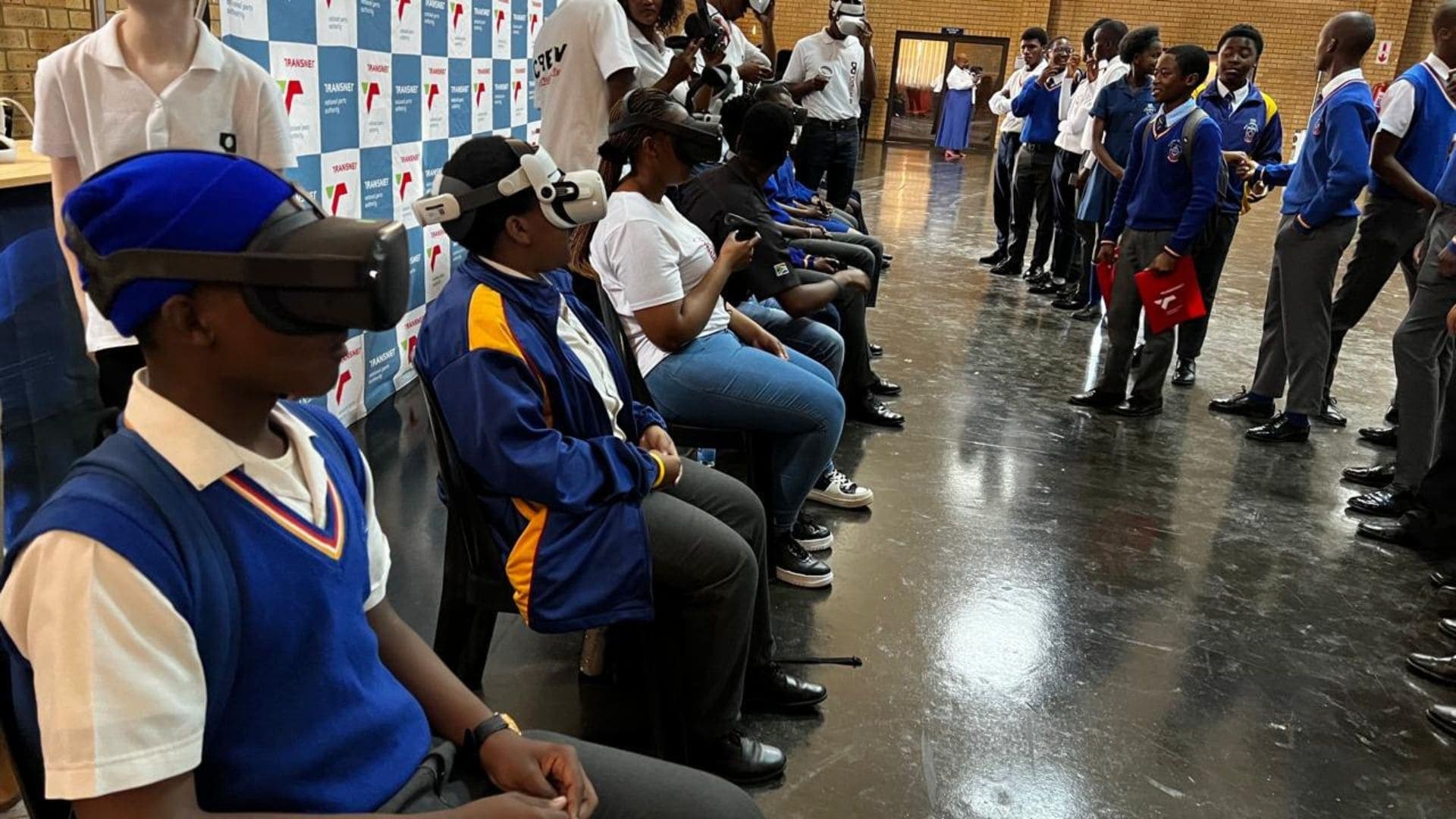
Key Benefits of Virtual Reality for South African Students
the Benefits of Virtual Reality in Education Virtual Reality (VR) is transcending traditional educational paradigms in South Africa, ushering in a...
the Benefits of Virtual Reality in Education
Virtual Reality (VR) is transcending traditional educational paradigms in South Africa, ushering in a new era of immersive and interactive learning. By integrating sophisticated VR technologies into classrooms, educators are unlocking unprecedented opportunities for student engagement and comprehension. This transformative approach not only captivates learners but also facilitates a deeper understanding of intricate subjects. As VR continues to evolve, its application within South African education systems promises to enhance pedagogical methodologies, making learning more dynamic, inclusive, and effective.
Enhanced Engagement and Motivation
Interactive Learning Experiences
Virtual Reality revolutionizes passive learning by fostering active participation through immersive environments. South African students can explore historical landmarks, conduct virtual science experiments, or traverse complex mathematical landscapes, all within a controlled digital space. This hands-on interaction stimulates curiosity and sustains attention, transforming mundane lessons into captivating experiences. The ability to manipulate and engage with virtual elements ensures that learners remain invested, thereby enhancing retention and comprehension of the material.
Gamification of Education
Incorporating game-design elements into VR education amplifies motivation and drives student achievement. By integrating challenges, rewards, and progression systems, VR transforms educational content into engaging quests. South African classrooms utilizing gamified VR platforms witness increased enthusiasm and perseverance among students. This approach not only makes learning enjoyable but also encourages healthy competition and fosters a sense of accomplishment, which can lead to improved academic performance and sustained interest in the subject matter.
Real-Time Feedback and Assessment
VR systems provide instantaneous feedback, enabling students to assess their performance and understand areas requiring improvement promptly. This immediate response mechanism allows for adaptive learning, where educational content adjusts to meet individual needs. In South African educational institutions, the deployment of VR tools facilitates continuous assessment without the delays associated with traditional grading methods. Consequently, learners can refine their skills and knowledge in real-time, promoting a more effective and personalized educational experience.

Improved Understanding of Complex Concepts
Visualizing Abstract Ideas
Complex scientific theories and abstract mathematical concepts become tangible through VR’s visual and interactive capabilities. South African students can witness molecular structures in three dimensions or observe astronomical phenomena firsthand, bridging the gap between theoretical knowledge and practical understanding. This visual immersion aids in demystifying subjects that are often perceived as challenging, making them more accessible and easier to grasp. By translating abstract ideas into immersive visual experiences, VR enhances cognitive comprehension and intellectual engagement.
Simulating Real-World Scenarios
VR enables the simulation of real-world environments and scenarios, providing students with practical applications of their academic studies. Whether it’s conducting virtual chemistry experiments or engaging in historical reenactments, South African learners can apply theoretical knowledge in realistic contexts. These simulations foster critical thinking and problem-solving skills, as students navigate and interact with dynamic virtual settings. The experiential learning facilitated by VR ensures that students not only understand concepts intellectually but also appreciate their practical relevance and application.
Hands-On Practice in a Safe Environment
Virtual Reality offers a risk-free platform for students to practice and hone their skills, particularly in fields that require precision and expertise. South African students can engage in virtual laboratory experiments, surgical simulations, or engineering projects without the inherent risks associated with real-world practice. This safe environment encourages experimentation and innovation, allowing learners to explore and make mistakes without fear of negative consequences. As a result, students develop confidence and proficiency in their respective disciplines, enhancing their readiness for professional endeavors.
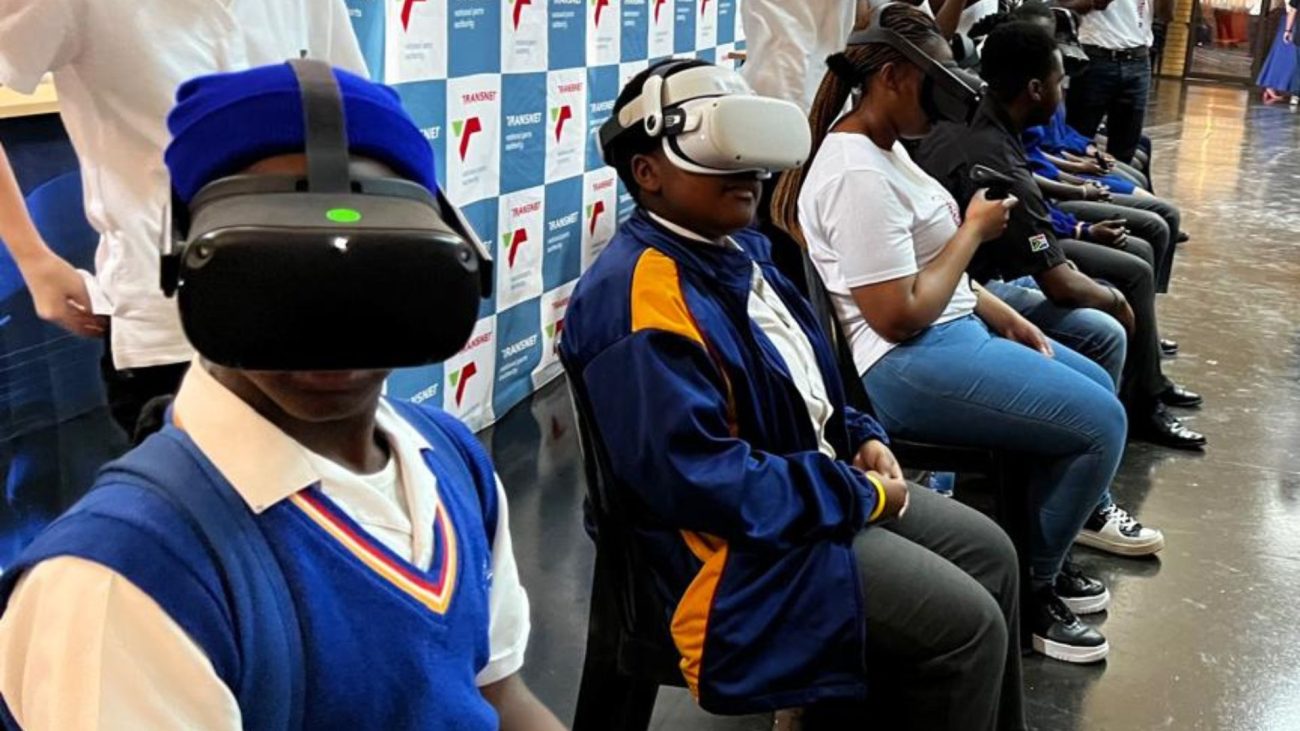
Increased Accessibility and Inclusivity
Learning for Students with Disabilities
VR technology provides customizable and adaptable learning environments tailored to the unique needs of students with disabilities. In South Africa, VR can be configured to accommodate various physical and cognitive requirements, ensuring that all learners have equitable access to education. Features such as adjustable interfaces, voice commands, and sensory enhancements enable students with disabilities to engage fully with the curriculum. By addressing diverse learning needs, VR fosters an inclusive educational landscape where every student can thrive and achieve their potential.
Overcoming Geographic Barriers
Virtual Reality bridges the gap for students in remote or underserved regions of South Africa, offering access to quality educational resources irrespective of their geographic location. Through VR, learners in isolated areas can participate in virtual classrooms, access specialized courses, and interact with educators and peers from across the country. This connectivity eliminates the constraints of physical distance, democratizing education and ensuring that all students have the opportunity to benefit from advanced learning tools and methodologies.
Personalized Learning Paths
VR facilitates the creation of individualized learning experiences, adapting to each student’s pace and preferred learning style. In South African educational settings, VR platforms can analyze student interactions and performance to tailor content that meets their specific needs. This personalized approach ensures that learners receive targeted support and challenges, optimizing their educational journey. By accommodating diverse learning preferences, VR enhances student satisfaction and effectiveness, leading to better academic outcomes and a more fulfilling educational experience.
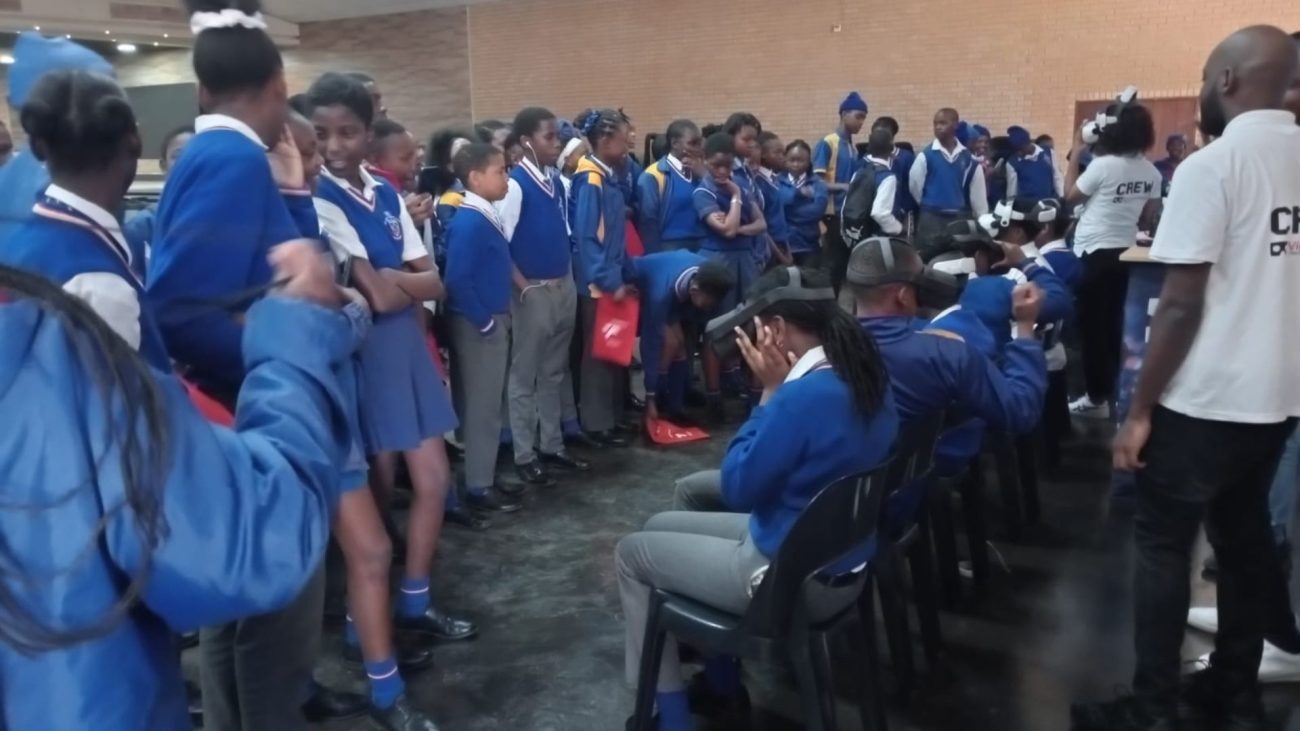
Development of 21st Century Skills
Critical Thinking and Problem-Solving
Engaging with VR-based challenges cultivates critical thinking and problem-solving abilities essential for the modern workforce. South African students are exposed to complex scenarios that require strategic analysis and innovative solutions within virtual environments. These interactive experiences encourage learners to think analytically and approach problems methodically, fostering cognitive agility and resilience. The skills developed through VR are directly transferable to real-world situations, preparing students to navigate and excel in a rapidly evolving technological landscape.
Collaboration and Communication
Virtual Reality promotes collaborative learning by enabling students to interact and communicate within shared virtual spaces. In South African classrooms, VR facilitates teamwork on projects, discussions, and collective problem-solving activities. This virtual collaboration mirrors real-world professional environments, enhancing students’ ability to work effectively in teams and communicate ideas clearly. By fostering these interpersonal skills, VR prepares learners to engage constructively in diverse and dynamic workplaces, enhancing their employability and professional relationships.
Technological Proficiency
Exposure to Virtual Reality technologies equips South African students with advanced technological skills, ensuring they are proficient in using cutting-edge tools and applications. Navigating VR interfaces, developing virtual projects, and utilizing immersive software enhances digital literacy and technical competency. These proficiencies are increasingly vital in a digital-centric economy, where technological adeptness is a key determinant of career success. By integrating VR into education, students gain invaluable experience and familiarity with technologies that are shaping the future, positioning them advantageously in the global job market.
Virtual Reality stands as a formidable catalyst in transforming South African education, offering multifaceted benefits that enhance engagement, comprehension, accessibility, and skill development. As VR technology continues to advance and integrate into educational frameworks, its potential to revolutionize learning experiences becomes increasingly evident. Embracing Virtual Reality within South African classrooms not only enriches the academic journey for students but also equips them with the competencies necessary to thrive in an interconnected and technologically driven world.
Frequently Asked Questions
What is Virtual Reality and how is it used in South African education?
Virtual Reality (VR) is an immersive technology that creates simulated environments for users to interact with. In South African education, VR is utilized to enhance learning experiences by allowing students to explore virtual classrooms, conduct interactive experiments, and engage with complex subjects in a more tangible and engaging manner. This technology bridges the gap between theoretical knowledge and practical application, making education more dynamic and effective.
What are the main benefits of using VR for students in South Africa?
The primary benefits of VR in South African education include enhanced student engagement and motivation, improved understanding of complex concepts, increased accessibility and inclusivity, and the development of essential 21st-century skills. VR transforms traditional learning by providing interactive and immersive experiences, catering to diverse learning needs, and equipping students with critical thinking, collaboration, and technological proficiency necessary for the modern workforce.
How does VR improve accessibility and inclusivity in South African classrooms?
VR technology offers customizable and adaptable learning environments that cater to the unique needs of all students, including those with disabilities. It overcomes geographic barriers by connecting students from remote or underserved regions to quality educational resources and virtual classrooms. Additionally, VR supports personalized learning paths, allowing each student to learn at their own pace and style, thereby fostering an inclusive educational landscape where every learner can thrive.
What challenges might South African schools face when implementing VR, and how can they be addressed?
Implementing VR in South African schools may present challenges such as high initial costs, limited technical expertise, and inadequate infrastructure. To address these issues, schools can seek partnerships with technology providers, apply for educational grants, and invest in professional development for educators. Additionally, starting with small-scale pilot programs can help institutions gradually integrate VR into their curriculum, ensuring a smooth transition and effective utilization of resources.
How does VR contribute to the development of 21st-century skills among South African students?
VR plays a crucial role in developing critical thinking, problem-solving, collaboration, and technological proficiency among students. By engaging with complex virtual scenarios and interactive challenges, students learn to analyze situations, devise innovative solutions, and work effectively in teams. Moreover, navigating VR interfaces and utilizing advanced software enhances their digital literacy, preparing them for future careers in a technology-driven world.
Are there any successful case studies of VR being used in South African educational institutions?
Yes, several South African schools and universities have successfully integrated VR into their educational programs. For instance, some institutions use VR for virtual science laboratories, allowing students to perform experiments safely and cost-effectively. Others employ VR for historical simulations, enabling learners to experience significant events firsthand. These case studies demonstrate the positive impact of VR on student engagement, comprehension, and overall academic performance.
What resources and training are available for educators in South Africa to effectively use VR in their teaching?
Educators in South Africa can access a variety of resources and training programs to effectively incorporate VR into their teaching practices. These include professional development workshops, online courses, and instructional guides provided by educational technology organizations. Additionally, partnerships with VR technology providers often include training sessions and ongoing support to ensure teachers are well-equipped to utilize VR tools and integrate them seamlessly into their curricula.
Author: Gerald Ferreira
The Virtual Reality Innovation Hub is South Africa's leading intelligence platform for immersive technology, educational innovation, and local developer training programs.