
Virtual Reality in Education: Building the School of the Future
Transforming Learning Through Immersive Virtual Reality Experiences In the rapidly evolving landscape of education, virtual reality (VR) stands...
Transforming Learning Through Immersive Virtual Reality Experiences
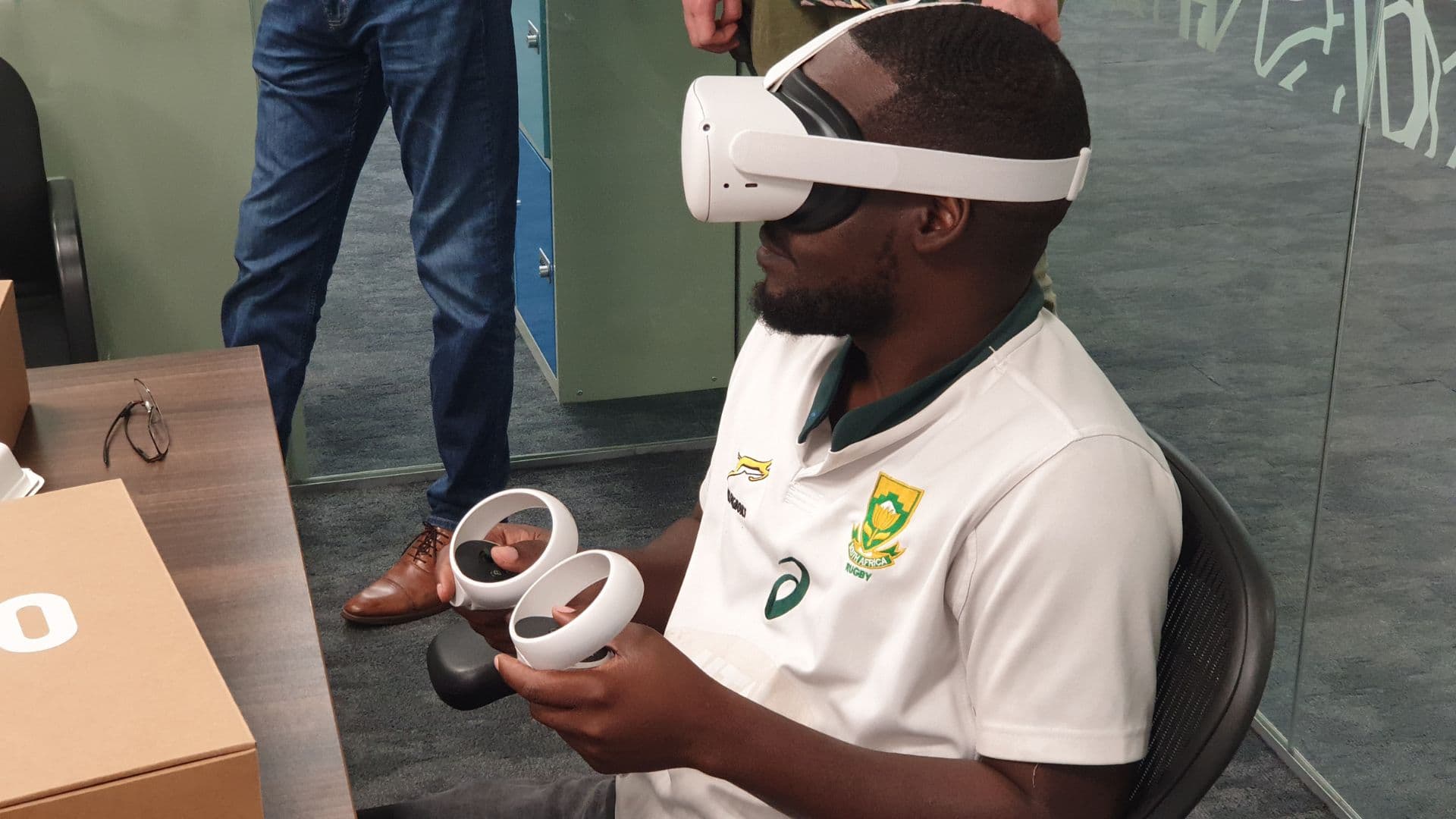
In the rapidly evolving landscape of education, virtual reality (VR) stands out as a groundbreaking technology poised to revolutionize how we teach and learn. Imagine a classroom where students can explore ancient civilizations, conduct complex scientific experiments, or practice surgical procedures—all within a simulated environment. This vision is becoming a reality as educational institutions embrace VR to enhance engagement, personalize learning, and provide safe, interactive experiences. This comprehensive exploration delves into the integration of virtual reality in education, the emergence of dedicated VR schools and universities, and the future trends shaping this transformative journey.
Advantages of Virtual Reality in Education
Enhanced Engagement and Interactivity
Virtual reality transforms traditional learning by making it interactive and engaging. Unlike conventional methods that rely heavily on textbooks and lectures, VR immerses students in a three-dimensional environment where they can interact with the subject matter directly. For instance, history lessons become vivid experiences as students walk through ancient Rome or witness the signing of the Declaration of Independence firsthand. This level of engagement not only captures students' attention but also fosters a deeper understanding of complex concepts through experiential learning.
Moreover, the interactive nature of VR encourages active participation, allowing students to manipulate objects, solve problems, and collaborate in real-time within the virtual space. This hands-on approach caters to various learning styles, making education more inclusive and effective. By bridging the gap between theoretical knowledge and practical application, VR enhances the overall learning experience, leading to better retention and academic performance.
Personalized Learning Experiences
One of the most significant benefits of virtual reality in education is its ability to personalize learning experiences. VR platforms can adapt to individual learning paces, providing tailored content that meets each student's unique needs and preferences. For example, a student struggling with geometry can interact with 3D shapes, manipulating angles and dimensions to grasp mathematical concepts more effectively. Conversely, advanced learners can explore more complex scenarios, challenging themselves beyond the standard curriculum.
This personalized approach not only accommodates different learning speeds but also fosters a sense of autonomy and motivation among students. By allowing learners to choose their paths and engage with content that aligns with their interests, VR promotes self-directed learning and critical thinking. Educational institutions can leverage data analytics within VR systems to track progress, identify areas for improvement, and continuously refine the learning experience, ensuring that every student receives the support they need to succeed.
Safe Simulation Environments
Virtual reality provides a unique advantage by offering safe simulation environments where students can practice skills without real-world consequences. This is particularly valuable in fields such as medicine, engineering, and aviation, where hands-on experience is crucial but often risky. For instance, medical students can perform virtual surgeries, honing their techniques and decision-making skills without the pressure of actual patient care. Similarly, engineering students can test prototypes and troubleshoot designs in a controlled virtual setting.
These simulations allow learners to experiment, make mistakes, and learn from them in a risk-free environment, enhancing their competence and confidence. Additionally, VR simulations can replicate rare or dangerous scenarios that students might not encounter during traditional training, providing comprehensive and realistic practice opportunities. By bridging the gap between theory and practice, VR ensures that students are better prepared for real-world challenges, ultimately improving their proficiency and safety in their respective fields.
Virtual Reality Tools and Technologies in Learning
VR Hardware: Headsets and Accessories
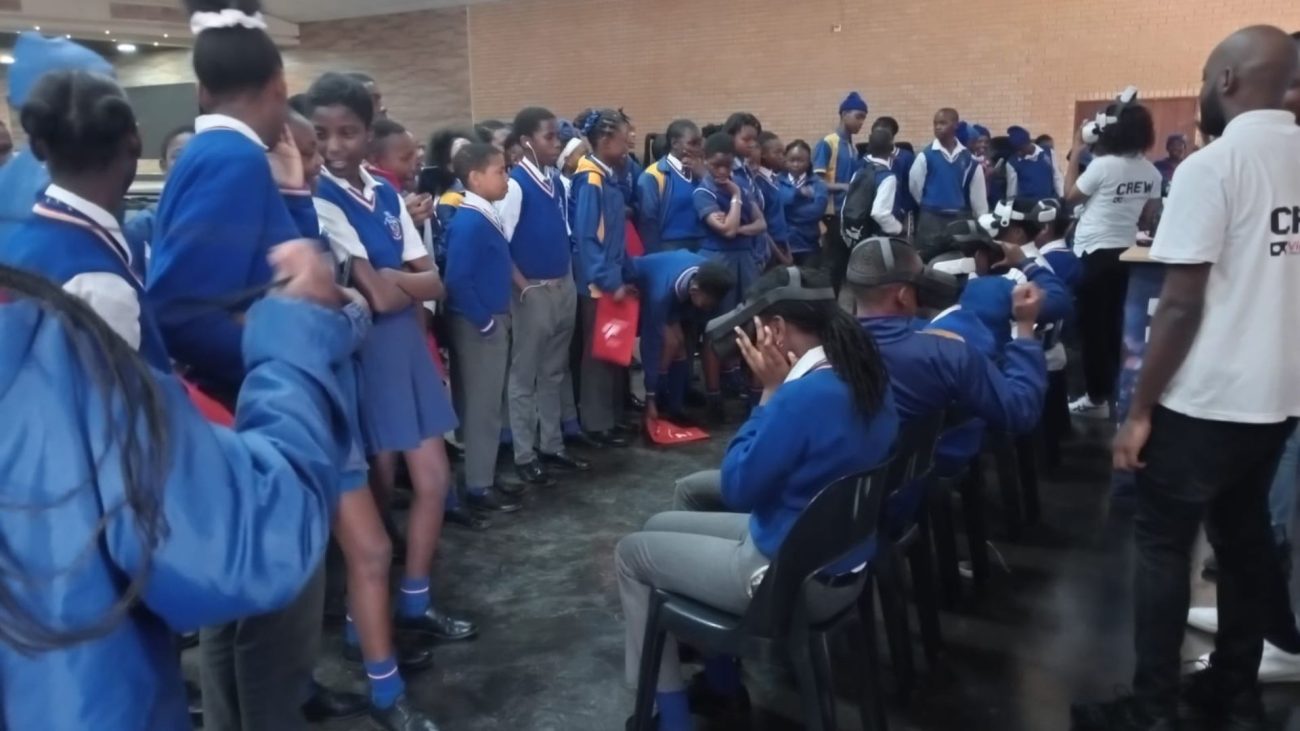
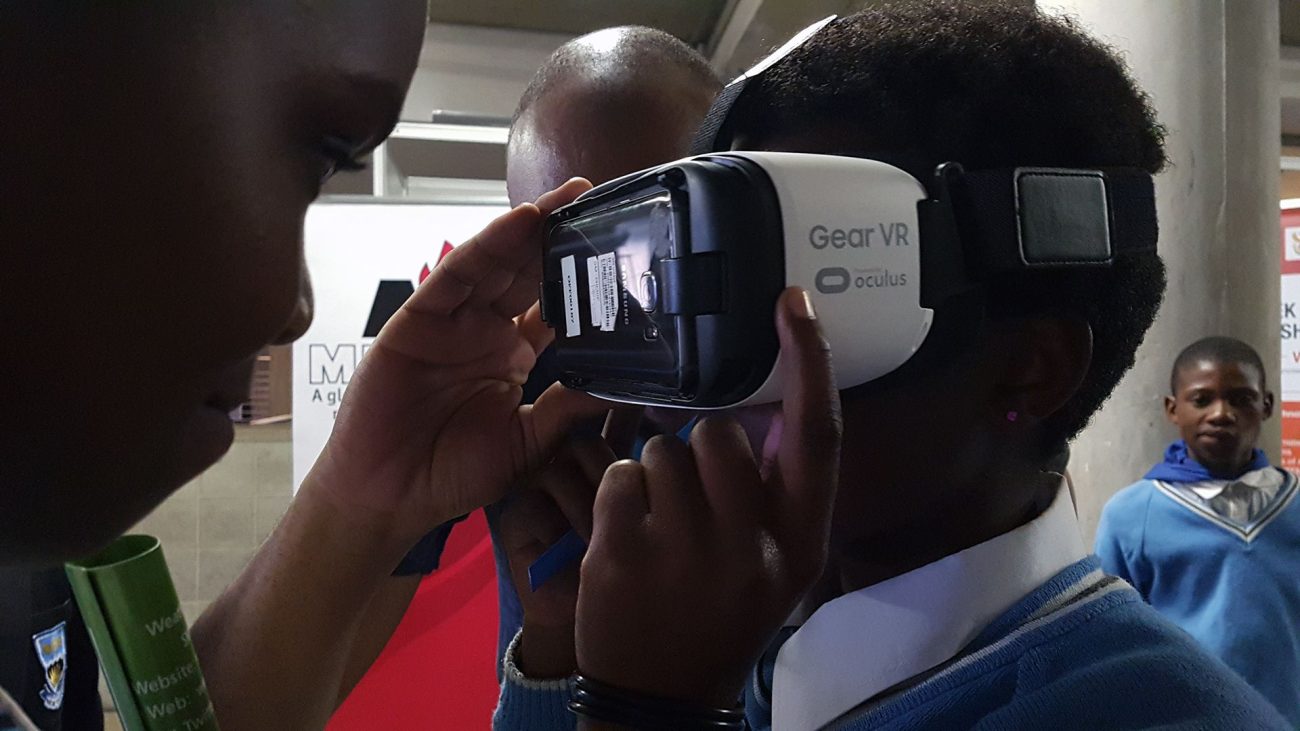
The foundation of any virtual reality experience lies in its hardware. VR headsets, such as the Oculus Quest 3 or the HTC Vive Pro, are equipped with high-resolution displays, motion sensors, and ergonomic designs to provide immersive and comfortable experiences. These headsets track head and hand movements, translating them into the virtual environment, allowing for intuitive interaction with digital content.
In addition to headsets, accessories like haptic gloves, motion controllers, and 360-degree cameras enhance the immersive quality of VR experiences. Haptic gloves, for example, provide tactile feedback, enabling students to "feel" objects within the virtual space, which is invaluable for subjects like anatomy or mechanical engineering. Motion controllers allow for precise manipulation of virtual objects, facilitating interactive learning activities that mimic real-world actions.
Moreover, advanced sensors and tracking systems ensure accurate and responsive interactions, minimizing lag and enhancing realism. The continuous advancements in VR hardware technology are expanding the possibilities of immersive learning, making virtual reality an increasingly integral part of modern education.
VR Software and Platforms
Virtual reality software and platforms are essential for creating and delivering interactive educational content. Unity and Unreal Engine are two of the most popular game engines used to develop high-quality VR applications, offering robust tools for building detailed and interactive environments. These platforms enable educators and developers to create custom simulations, interactive lessons, and immersive storytelling experiences tailored to specific educational goals.
Dedicated educational platforms like Engage and AltspaceVR provide ready-made virtual classrooms, lecture halls, and collaborative spaces where teachers and students can interact in real-time. These platforms support a variety of multimedia content, including 3D models, video lectures, and interactive quizzes, enhancing the overall educational experience.
Additionally, VR-specific educational software, such as Google Expeditions and zSpace, offers a library of pre-designed virtual tours and interactive lessons across multiple subjects, from biology and chemistry to history and geography. These software solutions simplify the integration of VR into the curriculum, providing educators with the tools they need to create engaging and effective virtual learning experiences.
Content Creation and Development
Creating compelling VR educational content requires specialized skills and tools. Content creation involves designing 3D models, scripting interactive scenarios, and integrating multimedia elements to build immersive learning environments. Platforms like Blender and Maya are widely used for 3D modeling, allowing creators to develop detailed and realistic representations of objects, environments, and characters.
Scripting languages such as C# (used in Unity) and Blueprints (used in Unreal Engine) enable developers to add interactivity and logic to VR applications, making the virtual environments responsive to user actions. This interactivity is crucial for creating engaging educational experiences that require active participation and problem-solving.
Collaborative tools and workflows are also essential for content development, as they allow educators, developers, and designers to work together seamlessly. Cloud-based platforms and version control systems facilitate collaboration, ensuring that VR educational content is consistently updated and refined to meet evolving educational standards and learner needs.

Implementing Virtual Reality in Educational Institutions
Curriculum Integration
Successfully integrating virtual reality into the educational curriculum requires thoughtful planning and alignment with learning objectives. VR should complement and enhance existing teaching methods, rather than replace them. Educators must identify subjects and topics that can benefit most from immersive experiences, such as biology (exploring the human body), history (reliving historical events), and engineering (building and testing structures).
Developing a structured approach to curriculum integration involves selecting appropriate VR content, training teachers on how to effectively use VR tools, and ensuring that VR activities align with educational standards and assessment criteria. Collaborative efforts between educators and VR developers can help create custom content that addresses specific learning outcomes and student needs.
Moreover, providing students with opportunities to engage in VR-based projects and assignments encourages active learning and creativity. For example, students can create their own virtual models, participate in interactive simulations, or collaborate on group projects within the virtual environment. This hands-on approach fosters critical thinking, problem-solving, and collaboration skills that are essential for academic and professional success.
Training Educators
Equipping educators with the necessary skills and knowledge to effectively use virtual reality in the classroom is crucial for successful implementation. Professional development programs and training workshops can help teachers understand the capabilities and limitations of VR technology, as well as best practices for integrating VR into their teaching methods.
Training should cover aspects such as operating VR hardware, navigating VR software and platforms, and designing interactive and engaging VR-based lessons. Educators should also be trained on how to assess student performance within virtual environments and how to provide constructive feedback based on VR activities.
Additionally, fostering a community of practice among educators encourages the sharing of experiences, resources, and strategies for using VR in education. Peer support and collaborative learning opportunities can enhance teachers' confidence and competence in utilizing VR technology, ultimately leading to more effective and impactful VR-based teaching and learning.
Infrastructure and Investment
Implementing virtual reality in education requires significant investment in both hardware and infrastructure. Educational institutions must allocate resources to purchase VR headsets, computers or mobile devices capable of running VR applications, and necessary accessories like motion controllers and haptic devices.
Investing in robust internet connectivity and secure networks is also essential for supporting VR content delivery and data management. Cloud-based solutions can facilitate the storage and sharing of VR content, while ensuring that data is protected and accessible to authorized users.
Furthermore, institutions must consider the physical space required for VR activities, ensuring that classrooms or dedicated VR labs are adequately equipped to accommodate VR setups. Proper ventilation, safety measures, and ergonomic furniture are important for creating a comfortable and safe environment for students and educators to engage in VR-based learning.
Allocating budget for ongoing maintenance, software updates, and technical support ensures that VR systems remain functional and up-to-date, minimizing downtime and maximizing the return on investment. Strategic planning and phased implementation can help educational institutions effectively integrate virtual reality into their operations, ensuring long-term sustainability and success.
The Rise of Virtual Reality Schools and Universities
Concept and Structure
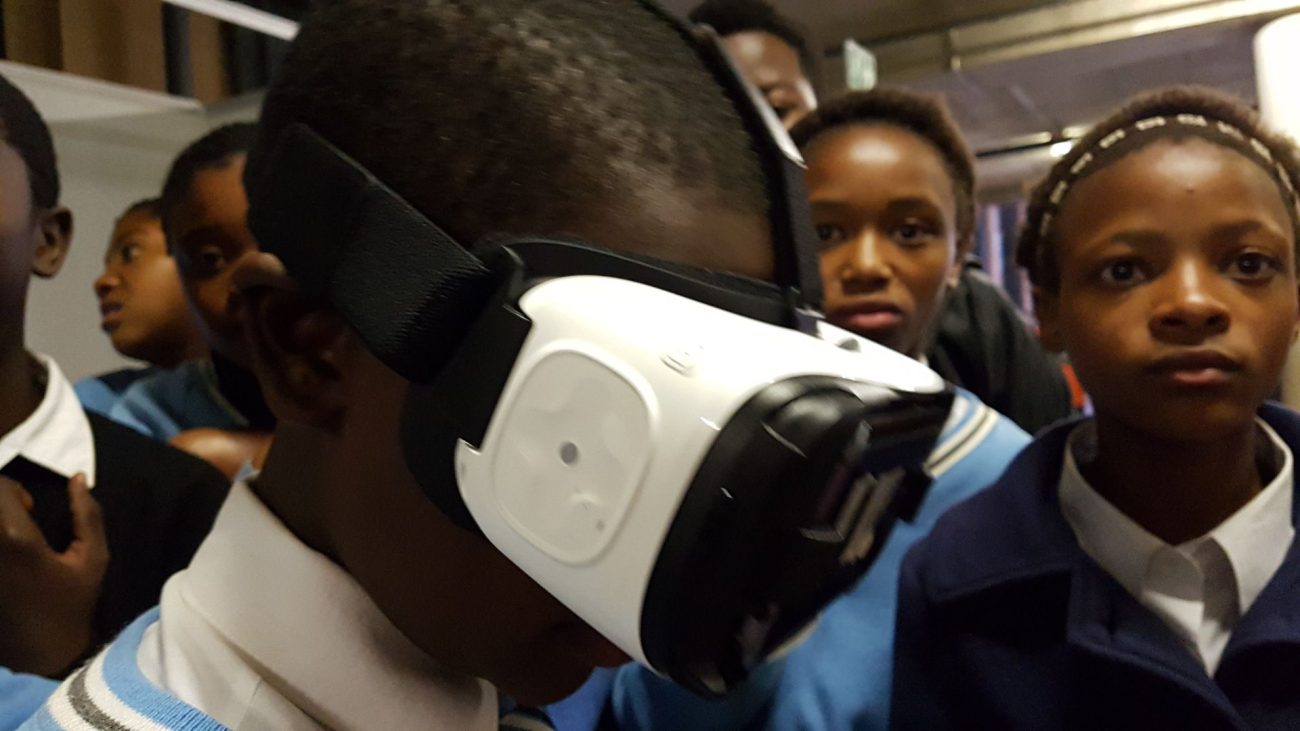
As virtual reality technology becomes more accessible and integral to education, the emergence of dedicated VR schools and universities is on the horizon. These institutions are designed from the ground up to leverage VR's full potential, offering immersive and interactive learning environments that traditional schools may struggle to replicate.
Virtual reality schools can provide a fully immersive curriculum, where students attend virtual classrooms, participate in interactive lessons, and engage in collaborative projects within the virtual space. This model allows for greater flexibility in curriculum design, as VR can facilitate a wide range of educational experiences that cater to diverse learning styles and interests.
Moreover, virtual universities can offer courses and degrees that focus specifically on virtual reality, augmented reality, and other emerging technologies. These programs can combine theoretical knowledge with practical
Applications in Various Disciplines
Virtual reality schools and universities can revolutionize education across various disciplines by providing tailored immersive experiences that enhance learning outcomes. In the sciences, students can conduct virtual experiments, explore molecular structures, and interact with complex systems in ways that are not feasible in traditional lab settings. Medical students can practice surgeries in a risk-free virtual environment, honing their skills and techniques before working on real patients.
In the arts and humanities, VR can bring literature to life by allowing students to explore virtual reconstructions of historical sites, participate in interactive storytelling, and engage with digital art installations. Engineering students can design and test virtual prototypes, collaborating with peers from around the world in a shared virtual workspace. These diverse applications demonstrate how VR can cater to the unique needs of different academic fields, providing customized and impactful educational experiences.
Advantages of Dedicated VR Institutions
Dedicated VR schools and universities offer several advantages over traditional educational institutions, primarily due to their inherent focus on immersive technology. These institutions can provide state-of-the-art VR facilities equipped with the latest hardware and software, ensuring that students have access to cutting-edge tools for their learning and research.
Additionally, VR institutions can foster a more collaborative and interactive learning environment, where students from different geographic locations can come together in a shared virtual space, facilitating global collaboration and cultural exchange. This global connectivity enhances the diversity of perspectives and ideas, enriching the educational experience and preparing students for a connected and digitalized world.
Furthermore, VR institutions can offer innovative teaching methods and curricula that leverage the full potential of immersive technology, promoting creativity, critical thinking, and problem-solving skills. By integrating VR into every aspect of their operations, these institutions can create a more engaging, effective, and forward-thinking educational ecosystem.
Examples and Case Studies
Several pioneering institutions have already begun to explore the potential of virtual reality in education, serving as models for future VR schools and universities. For example, Stanford University has integrated VR into its engineering and design programs, allowing students to collaborate on virtual projects and prototype designs in an immersive environment. Massachusetts Institute of Technology (MIT) has developed VR labs where students can conduct virtual experiments and simulations, enhancing their understanding of complex scientific concepts.
Additionally, dedicated VR education platforms like Engage and AltspaceVR host virtual campuses where learners can attend lectures, participate in group discussions, and collaborate on projects in real-time. These early adopters demonstrate the feasibility and benefits of virtual reality in higher education, providing valuable insights and lessons for institutions considering similar initiatives.
Case studies from these institutions highlight the transformative impact of VR on teaching and learning, showcasing improvements in student engagement, collaboration, and academic performance. By leveraging VR technology, these pioneering schools are setting new standards for immersive education, paving the way for the future of learning.
Future Trends in VR Education
AI and Adaptive Learning in VR
Artificial intelligence (AI) is set to further enhance virtual reality education by enabling adaptive learning experiences that respond to individual student needs and preferences. AI algorithms can analyze student interactions within the VR environment, identifying strengths, weaknesses, and learning patterns to provide personalized feedback and recommendations.
For example, an AI-powered VR tutor can adjust the difficulty level of tasks based on a student's performance, ensuring that they are appropriately challenged without feeling overwhelmed. Additionally, AI can facilitate intelligent content curation, presenting relevant resources and supplementary materials that align with each student's learning journey. This level of personalization not only improves learning outcomes but also fosters a more engaging and supportive educational experience.
Augmented Reality and Mixed Reality Integration
The integration of augmented reality (AR) and mixed reality (MR) with virtual reality (VR) is poised to create even more immersive and interactive learning environments. AR can overlay digital information onto the physical world, enhancing the VR experience by providing contextual insights and real-time data that enrich the learning process.
For instance, in a virtual biology class, AR can display detailed annotations and interactive diagrams over a virtual cell, allowing students to explore its components in greater depth. Mixed reality, which blends elements of both VR and AR, can facilitate collaborative projects where students interact with both virtual and physical objects, fostering a more dynamic and versatile learning experience.
The synergy between AR, MR, and VR will enable educators to create hybrid educational models that leverage the strengths of each technology, providing a comprehensive and multifaceted approach to teaching and learning.
Global Accessibility and Scalability
As virtual reality technology becomes more affordable and widespread, the accessibility and scalability of VR education will continue to grow. High-speed internet access and advancements in VR hardware will make immersive educational experiences available to students around the world, bridging geographical and socio-economic gaps.
Cloud-based VR platforms will facilitate the distribution and scalability of educational content, allowing institutions to reach a larger and more diverse audience without the constraints of physical infrastructure. This global accessibility will democratize education, providing equal opportunities for learners regardless of their location or background.
Moreover, scalable VR solutions will enable institutions to expand their offerings and accommodate increasing numbers of students, ensuring that VR education can grow alongside the demand for innovative and effective learning methods.
Frequently Asked Questions
How does virtual reality enhance learning?
Virtual reality enhances learning by providing immersive and interactive experiences that engage students more effectively than traditional methods. VR allows learners to explore complex concepts, interact with digital environments, and participate in hands-on activities, leading to better understanding and retention of information.
What are the costs associated with implementing VR in education?
Implementing VR in education involves costs related to purchasing VR hardware (headsets, computers, accessories), software licenses, content creation, and infrastructure upgrades (high-speed internet, secure networks). Additionally, training educators and maintaining VR systems contribute to ongoing expenses. However, the long-term benefits in terms of enhanced learning outcomes and engagement can justify the initial investment.
Can VR be used for all subjects?
Yes, VR can be adapted to a wide range of subjects, including sciences, humanities, arts, engineering, and more. Its versatility allows for the creation of tailored educational experiences that cater to the specific needs and objectives of different disciplines, making VR a valuable tool across the entire educational spectrum.
How do students and educators adapt to VR learning environments?
Adapting to VR learning environments involves training for educators on how to effectively use VR tools and integrate them into their teaching methods. Students may need orientation sessions to familiarize themselves with VR hardware and software. Ongoing support and professional development can facilitate the smooth transition and maximize the benefits of VR in education.
What is a virtual reality university?
A virtual reality university is an educational institution designed specifically around VR technology, offering immersive and interactive learning experiences. These universities utilize VR to create virtual classrooms, collaborative spaces, and interactive learning environments, providing a fully integrated and technologically advanced approach to higher education.
Author: Gerald Ferreira
The Virtual Reality Innovation Hub is South Africa's leading intelligence platform for immersive technology, educational innovation, and local developer training programs.