

Best VR Headsets for Educational Use This Black Friday 2024
Author
Gerald Ferreira
Date Published
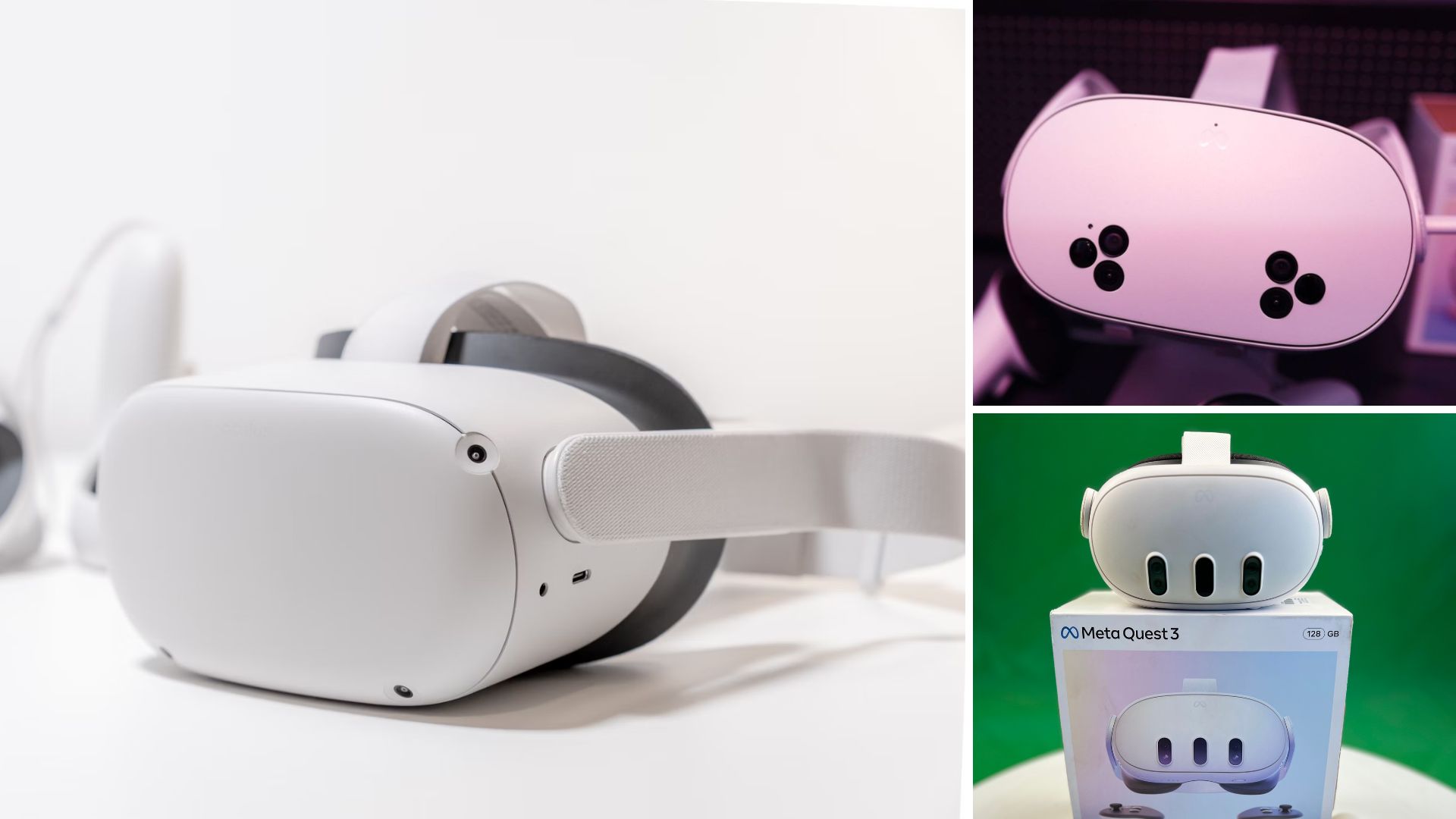
As the academic year progresses, educators and institutions are continually seeking innovative tools to enhance the learning experience. Virtual Reality (VR) has emerged as a transformative technology in education, offering immersive and interactive environments that foster deeper understanding and engagement. With Black Friday approaching, it’s an opportune time to invest in top-tier VR headsets tailored for educational purposes. This guide explores the leading options—Quest 2, Quest 3, and Quest 3s—highlighting their features, performance, and value to help you make an informed decision for your educational needs.
Unlocking Educational Potential with VR Technology
The integration of VR into educational settings has revolutionized traditional learning paradigms. By providing students with immersive experiences, VR facilitates experiential learning, allowing them to explore complex concepts in a tangible and interactive manner. Black Friday offers a unique opportunity to acquire high-quality VR headsets at discounted prices, making it easier for schools and educational institutions to adopt this cutting-edge technology. Understanding the distinct capabilities of the Quest 2, Quest 3, and Quest 3s is essential for selecting the right device that aligns with your educational objectives and budget constraints.
Quest 2: The Affordable Educational Solution
Robust Performance for Classroom Applications
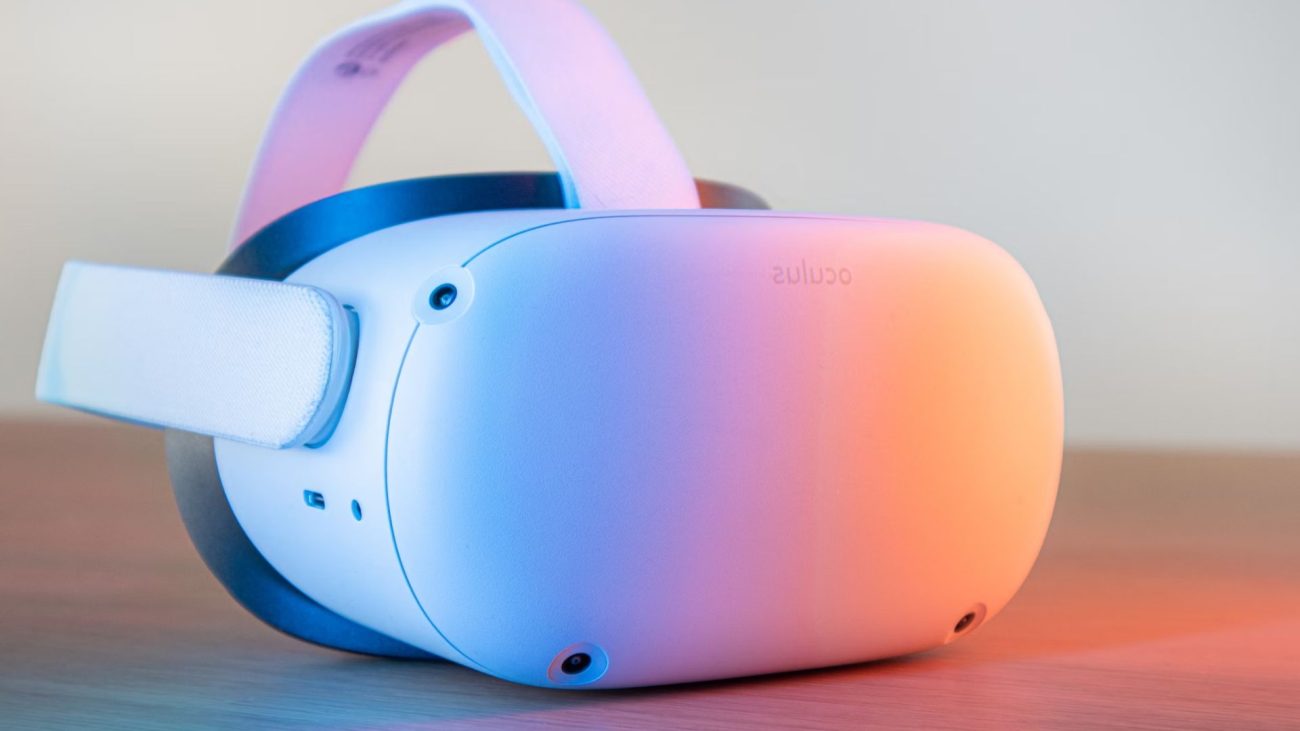
The Quest 2 has garnered a reputation as a dependable VR headset suitable for various educational applications. Powered by the Snapdragon XR2 processor, it delivers smooth and responsive performance, essential for running a wide range of educational software and simulations. Its display resolution of 1832x1920 per eye ensures clear and vibrant visuals, enhancing the learning experience by making virtual environments more realistic and engaging. This level of performance is particularly beneficial for subjects that require detailed visualizations, such as biology, chemistry, and history.
Moreover, the Quest 2 supports a refresh rate of up to 90Hz, which minimizes motion blur and reduces the risk of motion sickness—crucial factors for maintaining student comfort during extended VR sessions. This combination of robust processing power and high-quality display makes the Quest 2 a versatile choice for classrooms, accommodating both interactive lessons and individual student projects with ease.
Ergonomic Design for Prolonged Use
In an educational setting, comfort is paramount, especially during long teaching sessions. The Quest 2 excels in this regard with its lightweight design, weighing approximately 503 grams. This ensures minimal strain on students' necks and shoulders, allowing for extended use without discomfort. The adjustable straps provide a customized fit, catering to a diverse range of head sizes and shapes, which is particularly important in mixed-age classrooms.
Additionally, the Quest 2 features soft foam padding that enhances overall comfort, making it easier for students to focus on their lessons rather than adjusting their headsets. The ergonomic design extends to its controllers, which are crafted for natural hand movements and intuitive interactions. This design philosophy ensures that the Quest 2 remains comfortable and user-friendly, encouraging prolonged engagement without physical fatigue.
Extensive Educational Content and Compatibility
One of the Quest 2’s standout features is its extensive library of educational content. From interactive anatomy lessons to historical reenactments, the Quest 2 offers a diverse array of applications that cater to various academic disciplines. The platform’s compatibility with Oculus Link allows educators to connect the headset to a PC, unlocking access to even more educational resources from the Oculus Rift library and other PC-based VR applications.
This expansive ecosystem ensures that educators have a wealth of options to enhance their teaching methodologies. Whether integrating VR into STEM subjects, arts, or humanities, the Quest 2 provides the tools necessary to create immersive and interactive learning experiences that can significantly enhance student understanding and retention.
Quest 3: The Cutting-Edge Innovator
Superior Display and Enhanced Visuals
The Quest 3 represents a significant advancement in VR technology, offering enhanced visual fidelity that elevates the educational experience. With a higher resolution of 2160x2160 per eye, the Quest 3 delivers exceptionally sharp and detailed visuals, effectively reducing the screen-door effect and providing a more seamless visual experience. This upgrade is particularly beneficial for subjects that rely on intricate visual details, such as anatomy, engineering, and environmental science.
In addition to the increased resolution, the Quest 3 utilizes OLED panels, which offer superior color accuracy and deeper blacks compared to the Quest 2’s LCD displays. This results in more vibrant and lifelike visuals, making virtual environments feel more real and engaging. The Quest 3 also supports a higher refresh rate of up to 120Hz, ensuring ultra-smooth motion rendering that further enhances the immersive experience, making it ideal for dynamic and interactive educational applications.
Advanced Tracking and Enhanced Controllers
Building on the Quest 2's foundation, the Quest 3 introduces significant improvements in tracking technology and controller design. The headset employs an advanced inside-out tracking system with enhanced sensor arrays, providing more accurate and responsive positional tracking. This improvement is crucial for interactive educational activities that require precise movements, such as virtual labs, simulations, and hands-on projects, reducing latency and enhancing the overall VR experience.
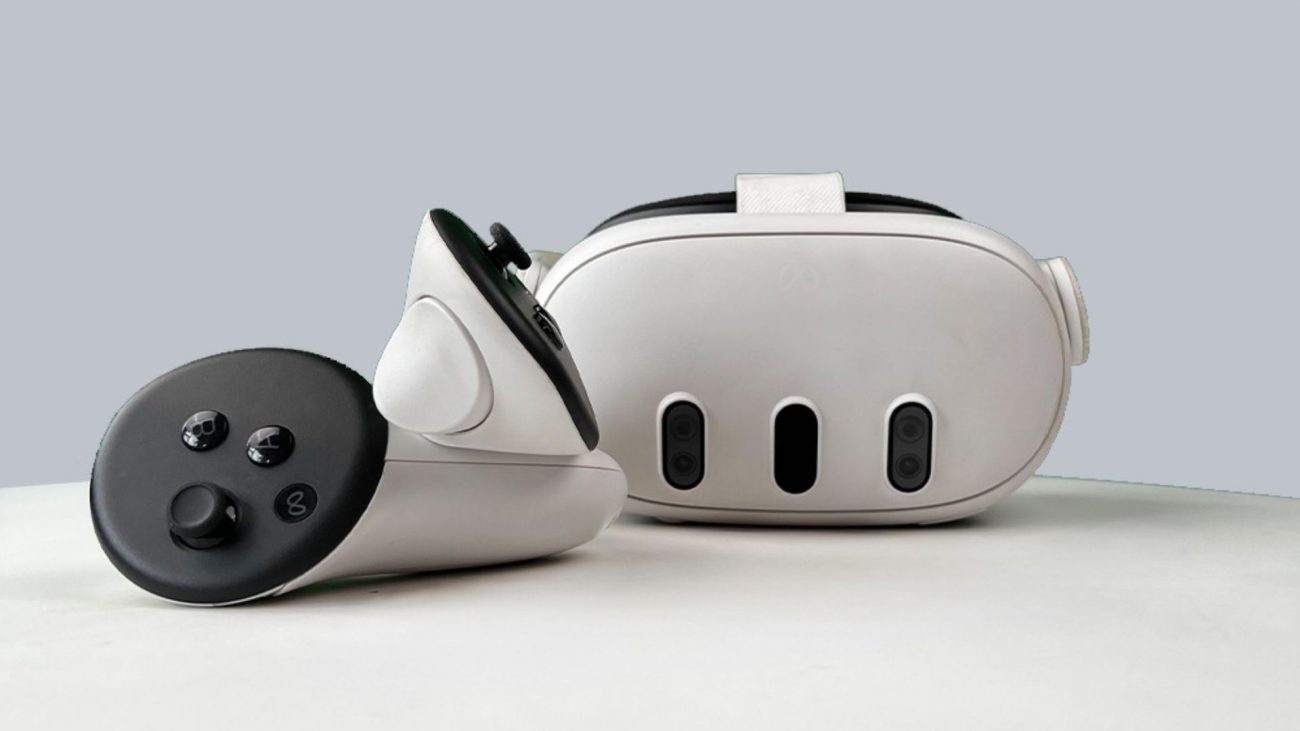
The Quest 3’s controllers have been redesigned to offer greater functionality and comfort. Featuring improved ergonomics and haptic feedback, the new controllers provide a more tactile and intuitive interaction experience. Additional buttons and sensors allow for more complex inputs, enabling educators and students to perform a wider range of actions within virtual environments. These advancements in tracking and controller technology contribute to a more seamless and engaging educational experience, fostering deeper student interaction and participation.
Enhanced Processing Power for Demanding Applications
Under the hood, the Quest 3 is powered by the latest Snapdragon XR chipset, delivering unparalleled processing power that supports more demanding educational applications and higher graphical fidelity. This increased computational capability ensures that the Quest 3 can handle the most intensive VR tasks with ease, providing smooth and responsive performance even in resource-heavy scenarios such as virtual laboratories, detailed simulations, and complex interactive lessons.
The enhanced processing power also facilitates advanced features such as real-time ray tracing and sophisticated physics simulations, contributing to more realistic and dynamic virtual environments. This makes the Quest 3 not only a powerful educational tool but also a valuable asset for professional development and specialized training programs, offering educators and students access to cutting-edge VR technology that can adapt to evolving educational needs.
Quest 3s: The Portable Powerhouse
Sleek Design and Enhanced Portability
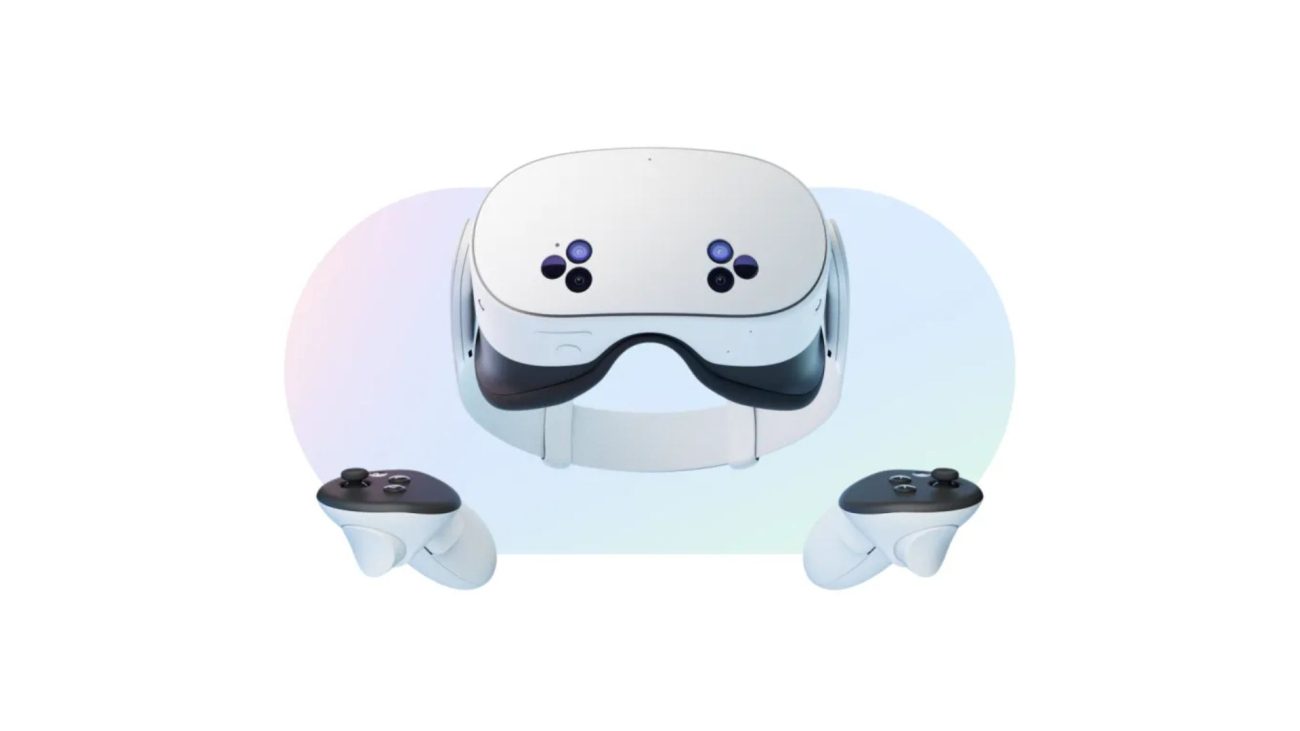
The Quest 3s offers a streamlined design without sacrificing performance, making it an ideal choice for educational institutions that prioritize portability and ease of use. The headset is lighter and more compact than its predecessors, enhancing comfort and reducing fatigue during extended use. This sleek form factor also makes it easier to transport between classrooms, laboratories, and other educational settings, allowing schools to maximize their VR resources across various departments and activities.
Despite its slimmer design, the Quest 3s maintains the high-resolution display and advanced processing capabilities found in the Quest 3. This balance between portability and performance ensures that educational institutions do not have to compromise on quality for the sake of convenience. The Quest 3s is particularly well-suited for schools that require a versatile VR headset capable of seamlessly transitioning between different educational environments and use cases.
Extended Battery Life and Reliable Wireless Performance
One of the standout features of the Quest 3s is its extended battery life, which significantly enhances the wireless VR experience in educational settings. With optimized power management and more efficient components, the Quest 3s can sustain longer sessions without the need for frequent recharging. This improvement is essential for schools that engage in extended VR activities, such as immersive field trips, lengthy simulations, and comprehensive training programs.
Additionally, the Quest 3s leverages advanced wireless technologies to ensure stable and high-speed connections, minimizing latency and preventing interruptions during use. This robust wireless performance is crucial for maintaining a seamless and immersive educational experience, allowing students and educators to move freely without being tethered to a power source. The combination of extended battery life and reliable wireless performance makes the Quest 3s a formidable contender in the educational VR market.
Cost-Effective Excellence for Budget-Conscious Institutions
The Quest 3s offers a compelling balance of performance and affordability, making it an attractive option for educational institutions operating within budget constraints. While it incorporates many of the advanced features found in the Quest 3, the Quest 3s is priced more competitively, providing exceptional value for its capabilities. This cost-effectiveness makes high-quality VR accessible to a broader range of schools and educational programs, democratizing access to immersive technology.
Moreover, the Quest 3s often benefits from exclusive Black Friday discounts and bundle deals, enhancing its appeal during the shopping event. These promotions can include additional accessories, extended warranties, or bundled educational software, further increasing the headset's overall value proposition. For schools seeking a powerful yet affordable VR solution, the Quest 3s stands out as a top-tier recommendation, offering both performance and value.
Comparing Quest 2, Quest 3, and Quest 3s for Education
Performance Metrics and Educational Use Cases
When evaluating the Quest 2, Quest 3, and Quest 3s for educational purposes, it’s essential to consider their performance metrics and suitability for various academic applications. The Quest 2, with its reliable performance and extensive content library, remains a versatile choice for a wide range of educational uses, from interactive lessons to individual student projects. Its balance of affordability and capability makes it ideal for institutions seeking a dependable entry into VR without extensive financial outlay.
In contrast, the Quest 3 and Quest 3s cater to educational institutions that demand higher performance and enhanced features. The Quest 3, with its superior display and processing power, is best suited for advanced educational applications that require high visual fidelity and responsive interactions. Meanwhile, the Quest 3s offers many of these advanced features in a more portable and cost-effective package, appealing to schools that prioritize flexibility and value without compromising on quality. This makes the Quest 3s an excellent choice for institutions looking to deploy VR across multiple classrooms and educational programs.
User Feedback and Experience in Academic Settings
User experience in educational settings varies across the three models, influenced by factors such as comfort, ease of use, and overall satisfaction. The Quest 2 is lauded for its ergonomic design and intuitive controls, making it a favorite among both educators and students. Its widespread adoption has fostered a robust support community, providing ample resources and troubleshooting assistance, which is invaluable in an academic environment where technical issues can disrupt learning.
The Quest 3 receives accolades for its cutting-edge technology and immersive capabilities, though some educators note that its higher price point may be a barrier for entry-level institutions. Nevertheless, those who invest in the Quest 3 often cite its enhanced performance and future-proof features as significant benefits, particularly for specialized programs that require advanced VR applications. The Quest 3s strikes a balance between the two, offering a premium experience at a more accessible price, which resonates well with educational institutions seeking high performance without the premium cost. This balance makes the Quest 3s an appealing option for schools looking to integrate VR into their curriculum without exceeding budgetary constraints.
Longevity and Future-Proofing for Educational Investments
Investing in a VR headset is a long-term commitment for educational institutions, and future-proofing is a critical consideration. The Quest 3, with its advanced hardware and support for the latest VR technologies, offers greater longevity, ensuring compatibility with upcoming educational applications and features. Its robust processing power and high-resolution display position it as a headset that can adapt to future advancements in educational VR, safeguarding the institution's investment over time.
The Quest 3s, while slightly less powerful than the Quest 3, still provides substantial future-proofing through its efficient design and comprehensive feature set. Its balance of performance and affordability makes it a sustainable choice for schools looking to invest in a headset that will remain relevant for years to come. The Quest 2, while slightly older, continues to receive software updates and maintains strong performance, ensuring it remains a viable option for educational purposes in the foreseeable future. This ongoing support and compatibility with new educational content make the Quest 2 a reliable choice for institutions seeking long-term VR solutions.
Maximizing Your Black Friday Educational VR Purchase
Timing Your Purchase for Optimal Educational Deals
Black Friday is synonymous with unbeatable deals, but timing can be crucial to securing the best prices for educational VR headsets. Early bird specials and limited-time offers often provide significant discounts on popular models like the Quest 2, Quest 3, and Quest 3s. Keeping an eye on retailer announcements and setting up alerts for price drops can help educational institutions capitalize on these fleeting opportunities, ensuring they obtain the best possible deals for their budgets.
Additionally, consider the possibility of bundle deals that include educational accessories or extended warranties, which can enhance the value of your purchase. These bundles often offer substantial savings compared to buying each component separately, making them an attractive option for schools looking to maximize their investment. Planning ahead and staying informed about the latest deals ensures that educational institutions can make timely and cost-effective purchases, fully equipping their VR setups for the upcoming academic year.
Evaluating Warranty and Support for School Investments
A comprehensive warranty and reliable customer support are essential factors when investing in VR headsets for educational purposes. During Black Friday, many retailers and manufacturers extend their warranty periods or offer exclusive support packages, providing additional peace of mind for schools. It’s advisable to review the warranty terms and support options available for each model to ensure adequate coverage in case of any issues, which is particularly important in a school environment where devices are used by multiple students and may undergo frequent use.
Furthermore, consider the reputation of the manufacturer regarding customer service and support responsiveness. Brands that prioritize user satisfaction and offer robust support channels are preferable, as they can significantly enhance the ownership experience for educational institutions. Reliable support ensures that any technical issues can be resolved quickly, minimizing disruptions to the learning process and maintaining the integrity of the VR investment.
Accessorizing Your Educational VR Setup
Enhancing your VR setup often involves more than just the headset itself. Black Friday is an excellent time to invest in complementary accessories that can elevate your educational VR experience. Items such as additional controllers, elite straps, or specialized head cushions can improve comfort and functionality, ensuring that students can engage with VR content effectively and comfortably.
Additionally, external sensors or motion tracking devices can expand the capabilities of your VR system, offering more precise and immersive interactions. Accessories like VR-specific headphones or microphones can also enhance audio quality and communication within virtual environments, which is essential for collaborative learning and interactive lessons. These additions not only improve the overall experience but also provide greater flexibility and customization, allowing educators to tailor their VR setups to specific teaching needs and preferences. Taking advantage of Black Friday deals on accessories can significantly enhance the value and performance of your educational VR headsets, ensuring a comprehensive and effective learning environment.

Frequently Asked Questions
What makes Quest 2 suitable for educational use?
The Quest 2 is suitable for educational use due to its reliable performance, high-resolution display, and extensive content library tailored for various academic disciplines. Its ergonomic design ensures comfort during prolonged use, and its compatibility with Oculus Link allows access to a broader range of educational applications, making it a versatile tool for both teaching and learning.
How does Quest 3 enhance the educational experience compared to Quest 2?
The Quest 3 enhances the educational experience with its superior display resolution, advanced tracking technology, and enhanced processing power. These features provide more detailed and immersive virtual environments, which are particularly beneficial for subjects requiring high visual fidelity and interactive simulations, thereby fostering deeper student engagement and understanding.
Is Quest 3s a cost-effective option for schools?
Yes, the Quest 3s is a cost-effective option for schools as it offers many of the advanced features found in the Quest 3 at a more competitive price point. Its streamlined and portable design, combined with extended battery life and reliable performance, makes it an excellent choice for educational institutions seeking high-quality VR solutions without exceeding budgetary constraints.
Can Quest 2, Quest 3, and Quest 3s be used simultaneously in a classroom?
Yes, Quest 2, Quest 3, and Quest 3s can be used simultaneously in a classroom, provided there are sufficient devices and the necessary network infrastructure to support multiple headsets. Utilizing features like Oculus for Business can help manage and deploy multiple VR headsets efficiently, ensuring a smooth and coordinated educational experience across all devices.
What accessories are recommended for an educational VR setup?
Recommended accessories for an educational VR setup include additional controllers for interactive lessons, elite straps or head cushions for enhanced comfort, protective cases for safe storage, and VR-specific headphones or microphones to improve audio quality. External sensors or motion tracking devices can also be beneficial for more precise and immersive interactions, enhancing the overall educational experience.
How can VR headsets be integrated into different subjects?
VR headsets can be integrated into various subjects by using specialized applications and simulations tailored to each discipline. For example, in biology, students can explore virtual dissections; in history, they can participate in historical reenactments; in engineering, they can engage in virtual prototyping and design. This integration allows for experiential learning, making complex concepts more accessible and engaging for students.
What are the long-term benefits of investing in VR for education?
The long-term benefits of investing in VR for education include enhanced student engagement, improved understanding of complex concepts through immersive experiences, increased accessibility to virtual resources, and the ability to facilitate collaborative and interactive learning environments. Additionally, VR can prepare students with the technological skills necessary for future academic and professional endeavors, making it a valuable investment for educational institutions.
Making the Most of Black Friday for Your Educational VR Upgrade
Black Friday presents a unique opportunity for educational institutions to enhance their learning environments by acquiring top-tier VR headsets at discounted prices. Whether opting for the reliable Quest 2, the advanced Quest 3, or the portable Quest 3s, each model offers distinct advantages tailored to different educational needs and budgets. By carefully evaluating their performance, comfort, content compatibility, and value, schools can select the headset that best aligns with their educational goals. Additionally, leveraging Black Friday deals on accessories and support services can further amplify the value of your purchase, ensuring a comprehensive and effective VR setup that enriches the educational experience for both teachers and students.